Table of Contents
Rapidly accumulating waste of paper, cardboard and foil on industrial production lines is one of the biggest engineering problems that brings the process to a halt when not evacuated instantly and continuously. The most reliable way to remove this constantly extending strip of waste from the line by shrinking it without slowing down the production line is to use a specially designed shredding fan. Pneumatic in this guide you will find the systematics you need to completely eliminate the risk of blockage in transport lines and secure mechanical waste transfer.
What is a Shredding Fan?
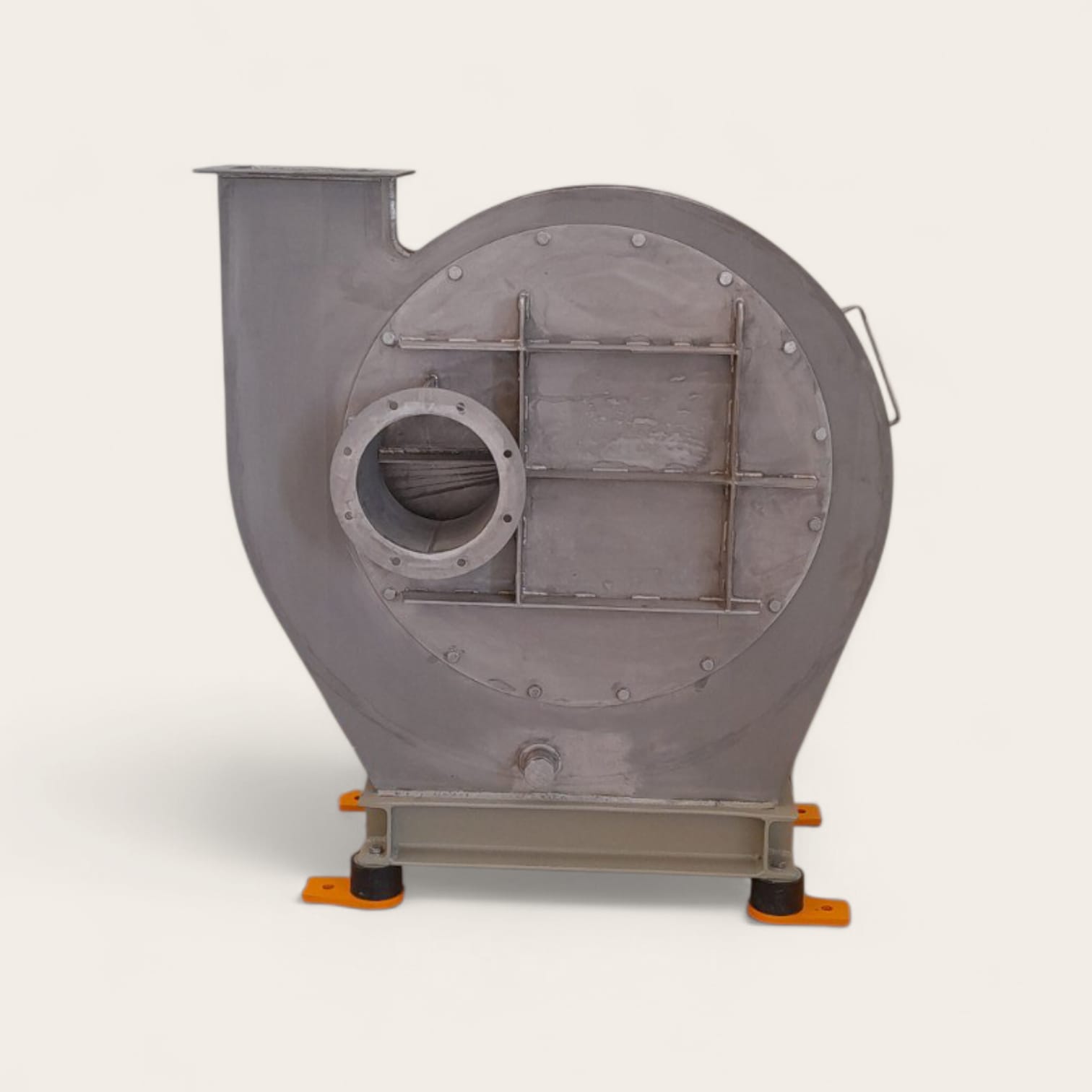
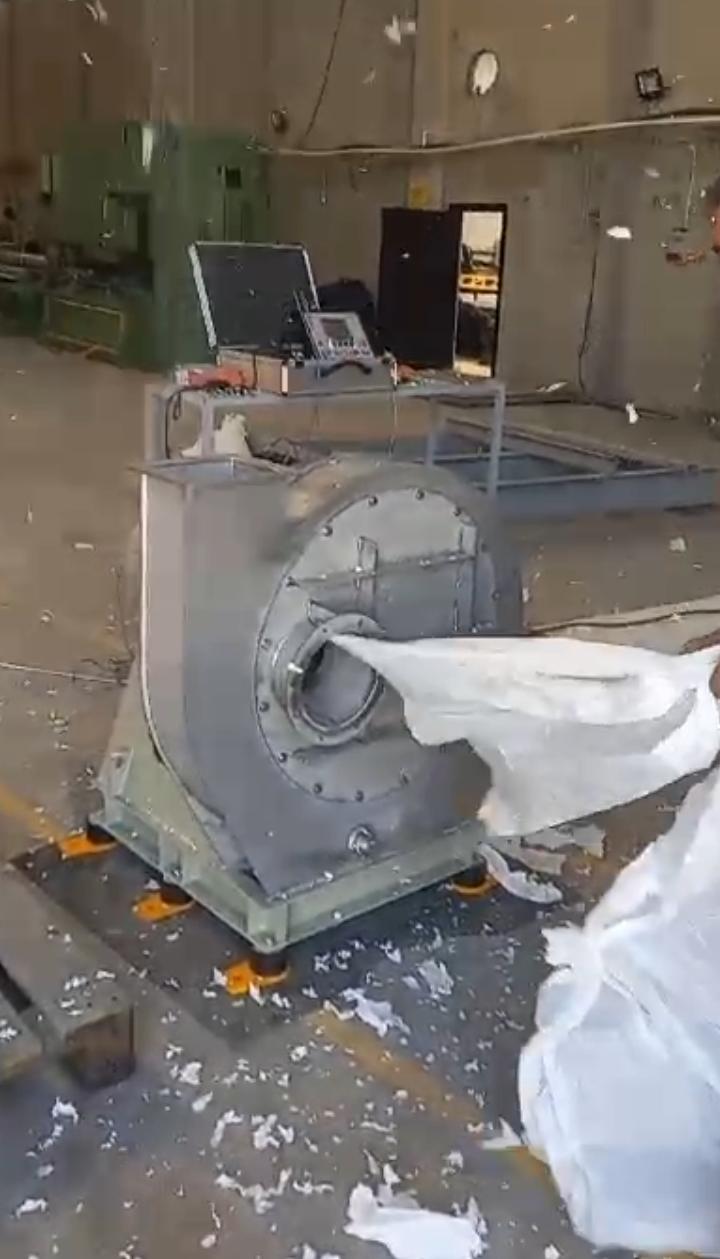
Shredding fan (chopper fan) is a heavy-duty aspirator system that shrinks paper, cardboard or plastic strip waste resulting from industrial production lines with cutter blades and transfers it to the storage area via air flow (pneumatic suction).
Positioned immediately at the exit of high-speed cutting production machines, these fans not only transport waste from one point to another; It also changes its form and makes it suitable for in-pipe transportation. Waste, which normally extends in long strips and will be knotted at the elbows and lock the system, breaks down instantly thanks to the heavy steel blades integrated into the fan. This crumbled structure adapts more easily to the air current (pneumatic thrust) and is transferred over long distances without loss of pressure.
How Does It Work? Technical Principle
Shredding fans operate by a high-revving suction impeller and synchronized aerodynamic rotation of special steel blades integrated into the blade structure; It first cuts and comminutes the material, and then blows it into the pipeline with the resulting vacuum and thrust.
The basic operating mechanics of the system are based on breaking the physical strength of the material and reducing its aerodynamic resistance. The continuous strip of waste entering through the suction nozzle hits the cutting diamond or hardox blades on high-speed rotating steel rotor blades. At this moment of impact and cut, the material is both crumbled and thrown towards the discharge pipe by the centrifugal force created by the fan.
A common occurrence in the field is the attempt to collect long strip waste with standard suction fans. Propellers without cutter features wrap this waste around the hub of the propeller, causing the engine to burn or the duct to become completely blocked within minutes. The technical architecture of shredding fans was developed precisely to avoid this problem of winding and clogging.
This article may interest you. Return Gas Blower Guide: Optimizing BOG Transport and Steam Recovery
In Which Sectors Is It Used?
Shredding fan systems are mainly used in the evacuation of continuous wastage in corrugated cardboard production, packaging industry, printing facilities, paper processing factories, textile and thin plastic foil production lines.
These systems are needed in every industrial facility that processes raw materials in continuous rolls or sheets and performs edge cutting (trim) as a process. Its main uses are:
- Corrugated Cardboard Facilities: Evacuation of hard cardboard strips appearing on continuous cutting lines (slitter scorer).
- Packaging and Box Production: Collection of waste cast from die-cutting machines (die-cutter).
- Printing and Paper Industry: Paper powders and edge waste formed in guillotine and coil cutting machines.
- Plastic and Foil Production: Shipment of thin film waste generated in extruder lines to recycling silos.
Things to Consider When Choosing a Shredding Fan
For correct shredding fan selection, the type of material to be cut, the m³/h air flow rate required by the system, the required working pressure and the physical capacity of the pipe and elbow designs after the shredding process must be calculated in accordance with each other.
Fragmentation alone is not sufficient in system installation; A combination of the correct engineering parameters is essential for the successful transportation of waste. When choosing your system, you should pay attention to the following dynamics:
- Material Characteristic: The correct blade type and motor kW power should be selected according to the weight of the paper to be cut, the moisture content of the material or the elasticity of the plastic.
- Flow and Pressure Compatibility: The flow rate (air volume) and pressure (thrust) of the fan must be able to provide the speed (transport velocity) that will keep the weight of the material entering suspended in the air.
- Pipe and Elbow Design: If the waste generated after the shredding process is to be transported via the pneumatic line, the pipe diameters to be used and the angles of the elbows should be selected in sizes suitable for the fan, preventing the material from settling.
The most common mistake in practice is that, no matter how high the fan capacity is, the crumbled material accumulates there and creates blockage, as the pipe elbows on the outlet line are selected very sharply (90 degrees and narrow angles). You can contact our technical team for the most suitable calculations and more information for your facility.
Features of Quality Shredding Fan
A quality shredding fan; It must have a vibration-dampening heavy-duty steel body, dynamic unbalanced rotor, wear-resistant replaceable blade system and high energy efficiency (high suction with low kW).
According to industry standards, equipment does not have the luxury of malfunctioning in facilities that operate non-stop 24/7. For this reason, the following equipment should be sought in a quality shredding fan that is structurally separated from standard ventilation fans:
| Feature | Standard Fans | Quality Shredding Fans |
| Body Structure | Thin sheet metal, sensitive to vibration | Thickened steel, vibration-free heavy duty (Heavy Duty) |
| Knife Technology | None or simple cutter | Hardox/Special alloy, sharpenable or easy to replace |
| Balance Adjustment | Only in production | Dynamic balance protection system against blade wear |
| Intervention Cover | Usually closed system | Quick access covers for easy cleaning and blade replacement |
Long Lasting and High Performance Solutions with Efsan
Efsan, by making special flow rate, pressure and pipeline calculations for facilities in industrial ventilation and pneumatic waste evacuation systems; It produces high energy efficiency shredding fan projects that eliminate the risk of clogging.
The heart of industrial plants is the production line, and its smooth operation is directly linked to the mechanical excellence of waste management. Efsan as such, it does not just supply a fan; We offer end-to-end engineering solutions according to the type of material, the cutting speed of the machine and the targeted silo distance. As we have seen in practice for years, correctly engineered systems provide a serious cost advantage by bringing business downtime (downtime) closer to zero.
For capacity calculations specific to your process, aerodynamic pipe designs and long-lasting fan preferences Contact Efsanexperts now and secure your production lines.
Frequently Asked Questions (FAQ)
he most frequently asked questions by industry professionals about shredding fans are; It focuses on the maintenance life of cutting blades, their interchangeability with standard ventilation systems and how to prevent pneumatic blockages.
When the fan pressure is insufficient for the mass of the material and the pipe distance (low conveying speed), or when many sharp bends are used in the pipeline, crushed particles settle at the bottom of the pipe, causing blockages. Proper design solves this problem.
Absolutely not. Standard suction fans have different rotor structures and cannot perform cutting operations. As soon as a strip of paper or plastic enters the fan, it will wrap around the rotor, locking the motor and potentially causing burns.
Blade life varies depending on the hardness and density of the material being cut and the operating time of the fan. When quality steel alloys are used, it works smoothly for months. Thanks to the maintenance covers, dull blades can be easily disassembled, sharpened or replaced with new ones in the field.
tags :
More about the sector and our business