Table of Contents
In industrial plants, thermal energy consumption accounts for the largest proportion of operational costs, especially in heavy evaporation (evaporation) and distillation (distillation) processes. Conventional heating methods are no longer competitive for engineers who want to reduce the load on the plant’s live steam lines, push thermodynamic limits on energy recovery and maximize process efficiency. If you want to create a huge heat recovery cycle in your processes and manage your process gases to the highest standards, you are in the right place to examine the technical infrastructure of turbo compressor-assisted MVR systems.
What is Turbo Compressor and Mechanical Vapor Recovery (MVR)?
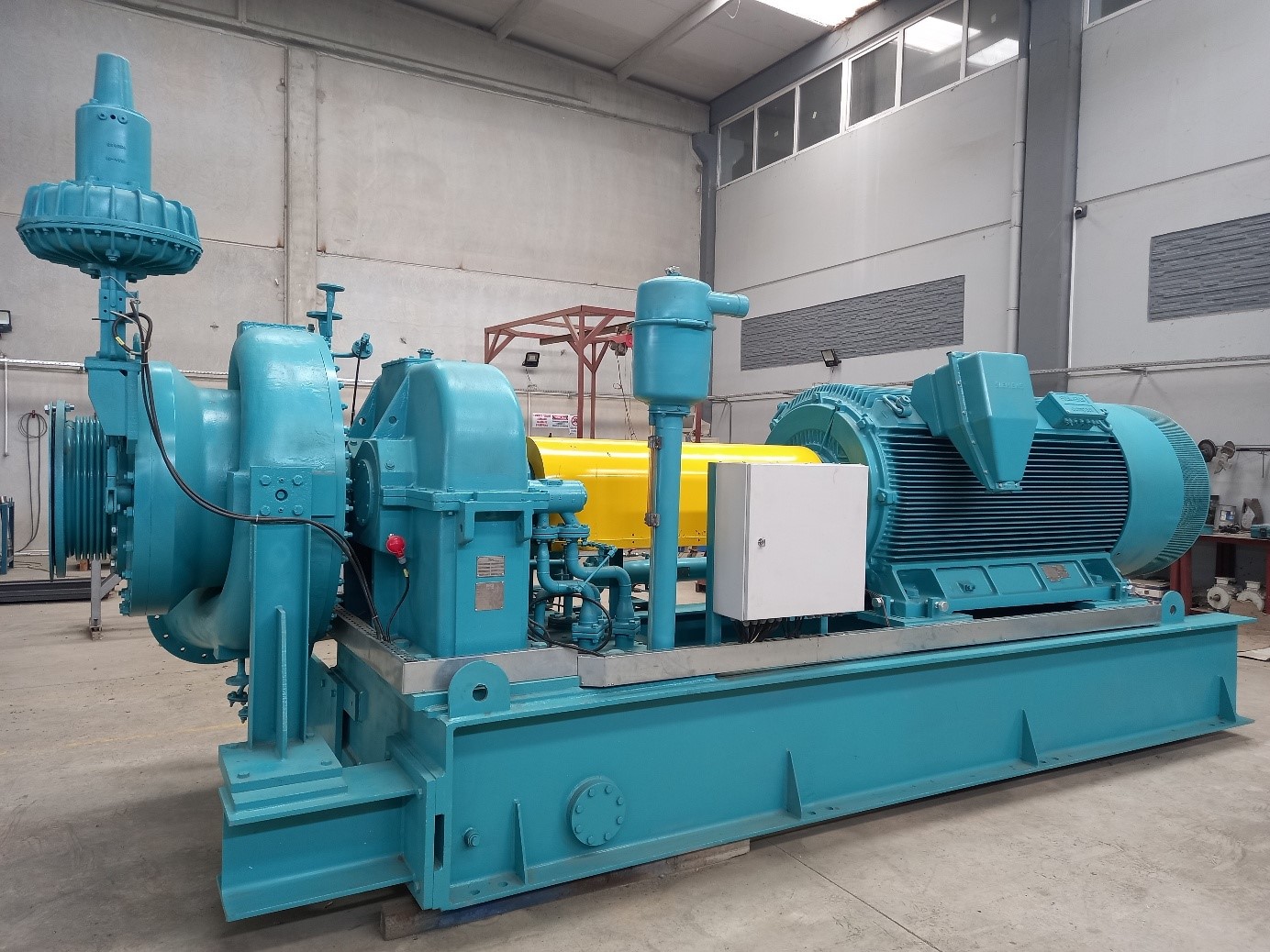
Mechanical Vapor Recovery (MVR) is the process of compressing low-pressure waste steam from the evaporation process with a turbocompressor to increase its enthalpy and return it to the plant as a live heater source.
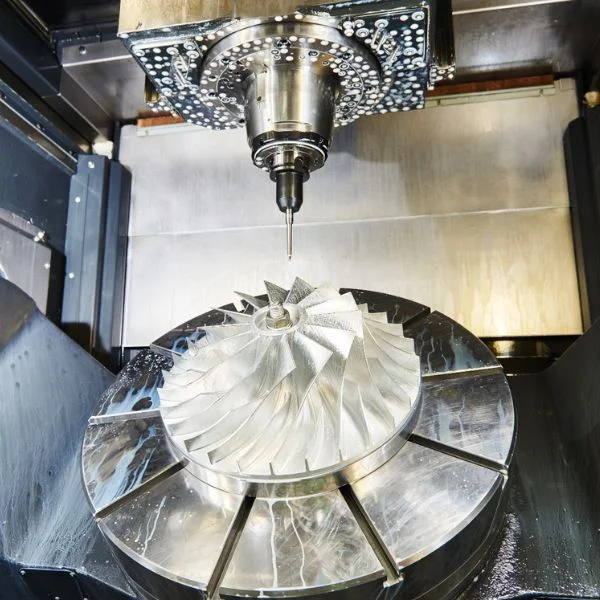
In thermodynamic processes, water or solutions evaporate, while the system is given a great deal of energy (latent heat). In conventional systems, this valuable steam is thrown into cooling towers by means of condensers (condensers), causing a great deal of waste. In MVR technology turbo compressor, the it works almost like an open cycle heat pump. It absorbs the low pressure steam coming out of the separator, compresses it aerodynamically with the help of a centrifugal wheel (impeller) and increases the temperature/pressure of the steam.
The biggest engineering shortcoming we have seen in practice for years is that the huge enthalpy value contained in waste steam is not included in the production cycle. When the steam compressed using the turbo-compressor is re-fed to the exchangers, the need for the use of live steam (boiler steam) from outside for the evaporation process is reduced to almost zero.
Why Should MVR Turbo Compressor Be Used in Evaporation Processes?
Using a dynamic turbo compressor in MVR systems eliminates the need for external live steam supply and cooling water to the system, providing significant savings in specific energy consumption.
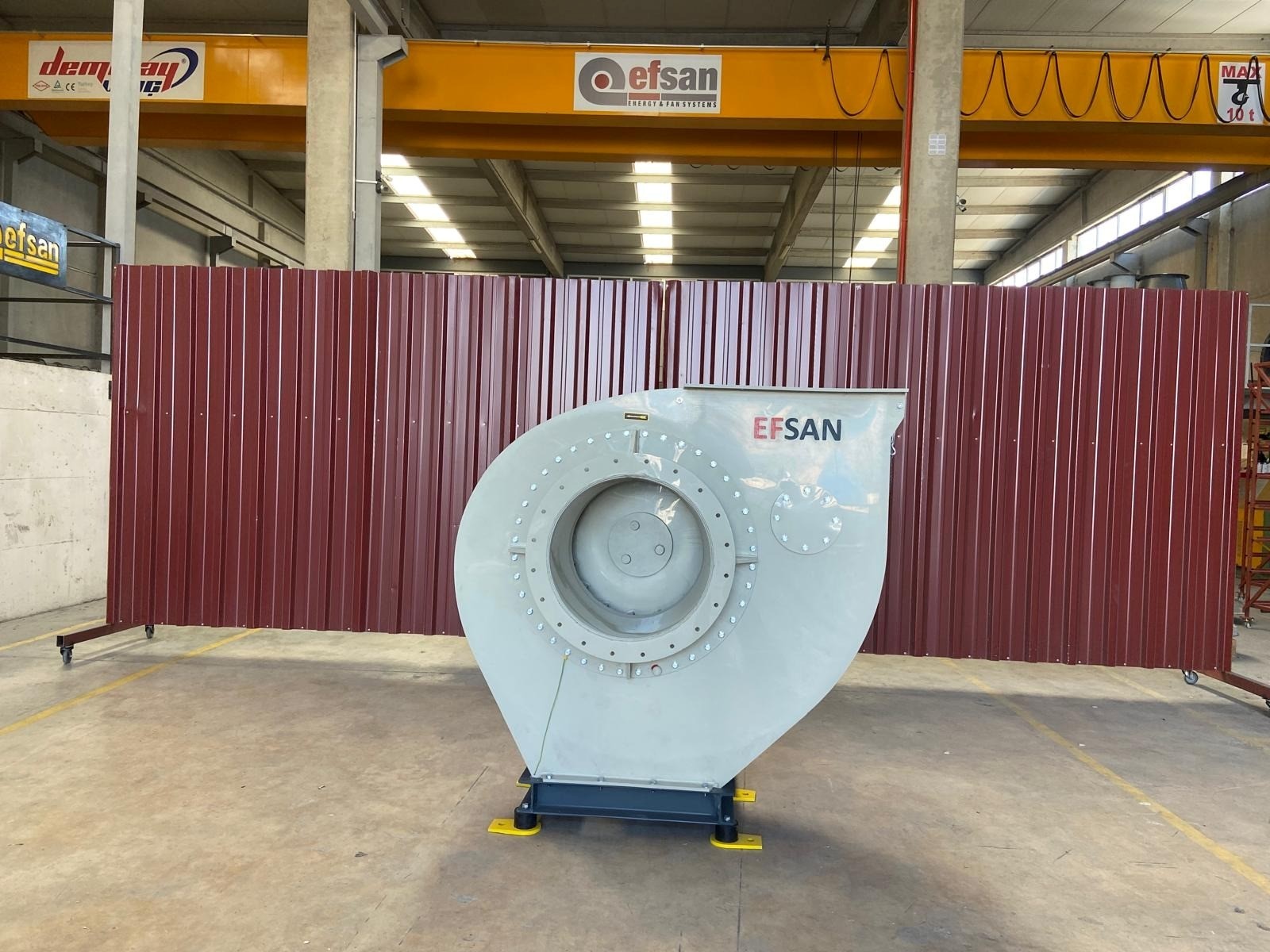
At the heart of MVR systems that simultaneously reduce a facility’s heating and cooling costs are high-speed turbo compressors. Capacity bottlenecks commonly encountered in production processes are easily overcome with these centrifugal systems with a dynamic operating principle.
The technical advantages to processes of using turbo technology to compress waste steam are:
- COP (Performance Coefficient) Increase: In response to the electrical energy consumed by the compressor motor, the rate of thermal energy (heat) recycled to the system can be up to 10 to 30 times.
- Condenser Load Reduction: Since steam is not thrown into the atmosphere or cooling tower, the need for huge cooling water is eliminated.
- Gentle Evaporation: Since it can be worked with low temperature differences (delta T), heat-sensitive food, medicine or chemical solutions are evaporated without spoiling.
- Compact Footprint: As the boiler room and chiller infrastructure needs become smaller, space optimization is achieved within the facility.
Thermodynamic Design Criteria in MVR Investments
For a successful MVR turbo compressor investment, the compression ratio of the system, the condensation temperature difference of the steam, the boiling point rise of the solution (BPE) and the corrosion resistance of the impeller must be carefully analyzed.
MVR projects cannot be driven by a standard air compressor logic. The fluid being compressed is not air, but high-temperature water or chemical vapor with the potential to harbor liquid droplets within.
The most common mistake in practice is the specific boiling point elevation of the process (Boiling Point Elevation – BPE)It is the selection of a standard aerodynamic impeller (impeller) without calculating the value of ) and the degree of dryness of the drawn steam. If there are water droplets in the steam, serious corrosion and erosion damage begins on the wheel rotating at high speed.
The table below shows the key process differences between conventional multi-effect (multi-effect) evaporators and Turbo Compressor-assisted MVR systems:
| Comparison Criteria | Conventional Live Steam System (MEE) | MVR Turbo Compressor System |
| Energy Source | Fossil-fuelled boiler steam (Continuous consumption) | Electrical energy (For compressor drive) |
| Cooling Water Need | It is too high (to condense steam) | Almost non-existent (Steam returns to process) |
| Carbon Footprint | High emissions from fossil fuels | Low emissions, depending only on engine electricity |
| Operating Cost | The steam and cooling water bill is high | Specific energy consumption is dramatically low. |
This article may interest you. MVR Application Areas: Industrial Efficiency and Zero Waste Conversion
Turbo Compressor Usage Areas in Heavy Industry and Process Gases
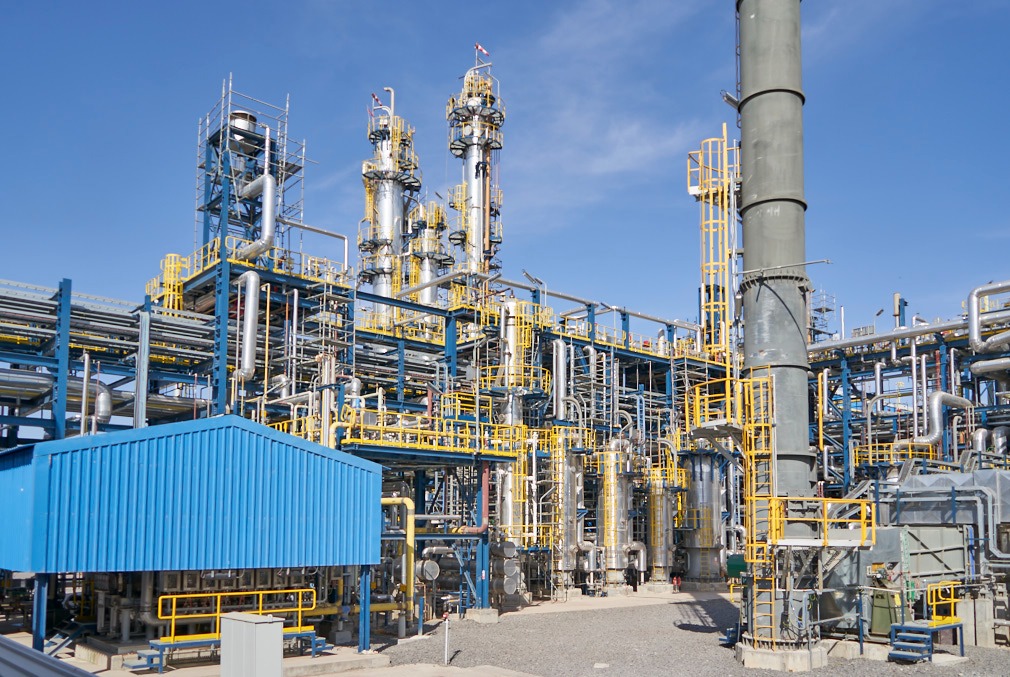
In addition to MVR systems, turbo compressors; It carries out critical mass transfer tasks in heavy petrochemical processes such as ammonia, urea, nitric acid production, refinery gases, polymerization and synthesis gas.
Although steam recovery is the main focus, centrifugal turbocompressors are an indispensable part of complex chemical reactions and gas cycles. According to industry standards, compression of corrosive, flammable or toxic gases requires completely leak-proof and process-specific metallurgy-manufactured aerodynamic systems.
The specific industrial processes that turbo compressor technology has successfully managed are:
- Fertilizer and Acid Production: Ammonia, Urea, Nitric Acid process gases.
- Refinery and Gas Conversion: MTBE, FCC, Gas to Liquid Conversion (GTL), Coal to Liquid Fuel Generation (CTL) and Coal to Methanol (CTM) applications.
- Gas Aromatics: Syntheses of PTA, Phenol, Caprolactam, Maleic Anhydride.
- Synthesis Gases and Fracture: Hydrogen (H2), Carbon Monoxide (CO), Ethane Fracture.
- Petrochemical: Ethylene/Propylene, Polyethylene/Polypropylene, Propane Dehydrogenation and Butane Dehydrogenation.
Legendary Turbo Compressor Solutions: Engineering Specific to Your Processes
Legend produces highly efficient turbo compressor systems specifically designed for thermodynamic conditions and fluid dynamics for complex evaporation (MVR) and chemical process gas management of heavy industry.
Building a complex process gas line or MVR evaporation plant is more about rebuilding the heart of your production line than buying a standard machine. One integrated into your process with accurate engineering calculations Legend the turbo compressor ensures your production quality and process stability while bringing your live steam costs closer to zero.
To conduct a special MVR feasibility study for your business, analyze your current process and plan the most suitable aerodynamic turbo compressor design for your production line With its legendary expert engineer staff contact pass. Reclaim the hidden potential in your processes.
tags :
More about the sector and our business