Table of Contents
Managing a high-volume processing plant means dealing with constant variables, but airflow shouldn’t be one of them. Whether you are handling fine starch powders, extracting moisture from oilseeds, or managing heavy-duty pneumatic conveying for animal feed, the reliability of your airflow systems directly impacts your production uptime. Selecting the right industrial centrifugal fans for food, starch, oilseed, and feed processing industries goes far beyond basic ventilation; it requires a deep understanding of material handling, strict hygiene protocols, and energy efficiency.
What Are Industrial Centrifugal Fans Used for in Processing Plants?
Industrial centrifugal fans in food and feed processing provide high-pressure airflow for pneumatic conveying, material drying, cooling, and dust extraction, ensuring continuous and safe production.
In modern manufacturing, air is a mechanical tool. Plants processing starch, oilseeds, or granular feed rely on heavy-duty centrifugal blowers to move materials through pipelines safely and rapidly. Without precisely engineered pressure and volume, materials can easily clog systems or degrade in quality.
Beyond material transport, these fans are critical for thermal processes. For instance, in oilseed extraction or starch production, large volumes of moisture must be removed quickly. High-efficiency fans draw hot air through drying beds, ensuring the final product meets strict moisture content standards. Furthermore, effectively extracting dust and airborne particles is vital for maintaining a clean environment and preventing cross-contamination between different batches of food or feed.
A common operational challenge we see on the factory floor is the mismatch between fan blade design and the material being processed. Using a standard backward-curved fan for heavy, dust-laden air often leads to rapid material buildup, causing dangerous vibrations and sudden system shutdowns.
This article may interest you. MVR Application Areas: Industrial Efficiency and Zero Waste Conversion
Crucial Engineering Requirements for the Food and Feed Sector
Fans for food and feed sectors must feature ATEX compliance for explosive dust, 304/316L stainless steel for hygiene, and specific impeller designs to handle continuous heavy-duty loads.
When processing organic materials like flour, starch, or grains, standard industrial fans simply do not meet the legal or operational requirements. The European market demands strict adherence to safety and hygiene regulations.
Managing Explosive Dust with ATEX Compliance
Starch and grain dust are highly volatile. When suspended in the air within a confined space, they create a severe explosion risk. According to industry safety standards, any fan operating in or near these environments must be ATEX-certified (typically for Zone 21 or 22). This involves using non-sparking materials, special shaft seals, and explosion-proof motors to guarantee that the fan itself never becomes an ignition source.
The Role of Plastic Centrifugal Fans in Corrosive Exhaust Systems
Constructed from Polypropylene or Polyethylene, plastic centrifugal fans are used in food and starch processing to extract highly corrosive vapors and harsh CIP chemicals that quickly destroy standard metals.
While stainless steel is the undisputed gold standard for direct food contact and hygienic material handling, certain stages of processing require an entirely different approach. In advanced starch modification, oilseed solvent extraction, or rendering plants, the exhaust gases can be aggressively corrosive. Additionally, the intensive chemicals utilized in daily CIP (Clean-in-Place) washdowns—such as vaporized nitric acid or hot caustic soda—create a highly toxic and corrosive exhaust stream that can pit and degrade even high-grade 316L stainless steel over time.
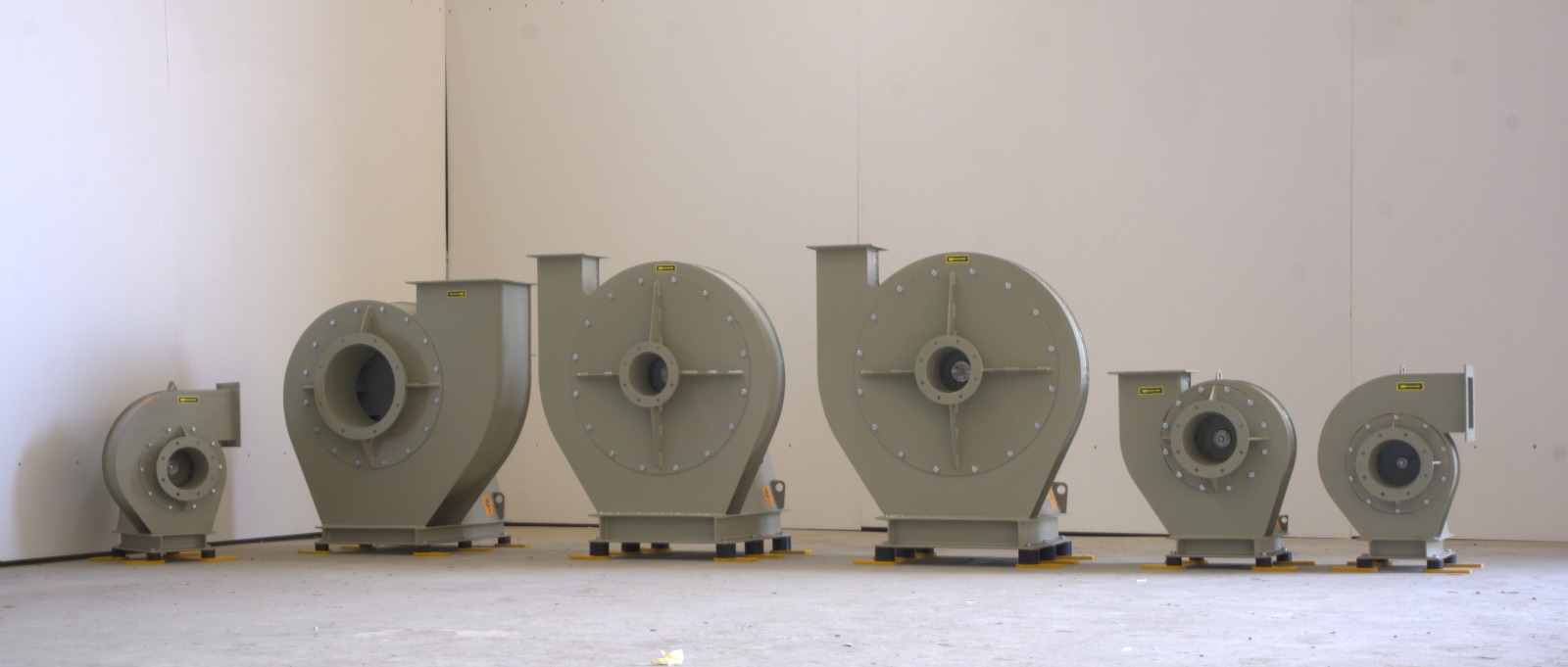
This is exactly where industrial-grade plastic centrifugal fans become essential. Manufactured from robust polymers like Polypropylene (PP), Polyethylene (PE), or Fiberglass Reinforced Plastics (FRP), these specialized blowers provide absolute chemical resistance against both acidic and alkaline air streams.
What we have seen in practice for years is that processing facilities often make the critical error of installing standard carbon or stainless steel fans for their chemical exhaust lines. This inevitably leads to severe casing corrosion, rapid impeller degradation, and dangerous leaks within a matter of months. According to industry standards for corrosive air handling, isolating these aggressive exhaust processes and utilizing specifically engineered plastic fans not only eliminates the risk of rust but also significantly extends the uninterrupted lifespan of the plant’s entire ventilation network.
Hygiene, CIP, and Material Selection
In food processing, cleanliness is non-negotiable. Fans must be constructed from high-grade stainless steel (usually 304 or 316L) to resist corrosion from aggressive cleaning chemicals and high-humidity environments.
Moreover, modern systems often integrate with CIP (Clean-in-Place) protocols. Fans designed for food applications feature smooth, continuously welded seams and inspection doors that allow for thorough washdowns without requiring complete disassembly. In our years of field experience, facilities that invest in easy-access, hygienic fan casings reduce their routine maintenance downtime by up to 30%.
Sector-Specific Fan Applications and Engineering Requirements
Different materials behave entirely differently under pressure. According to general industry practices, attempting to use a one-size-fits-all fan across different processing plants leads to severe energy waste and mechanical fatigue. To ensure peak efficiency, the fan’s aerodynamic profile and structural materials must be precisely matched to the specific sub-sector.
Below is a breakdown of how centrifugal fans are engineered for specific processing environments:
Table: Fan Specifications for Food, Starch, Oilseed, and Feed Sectors
| Processing Sector | Primary Fan Application | Critical Engineering Requirement | Ideal Fan Configuration |
| Food Processing | Baking exhaust, clean room ventilation, packaging | CIP compatibility, 304/316L Stainless Steel hygiene | Medium-pressure backward curved, washdown-ready casing |
| Starch Production | Pneumatic conveying, flash drying of fine powders | Strict ATEX Zone 21/22 compliance, dust-tight sealing | High-pressure radial or backward inclined, non-sparking |
| Oilseed Processing | Meal cooling, solvent vapor extraction, moisture removal | High temperature and chemical moisture resistance | Heavy-duty backward curved, specialized anti-corrosion coating |
| Feed Manufacturing | Pellet cooling, heavy bulk material transport | Extreme abrasion resistance, continuous heavy load capacity | Radial/paddle blade (self-cleaning), wear-resistant steel plates |
4 Key Steps for Proper Fan Sizing
- Calculate System Resistance: Accurately measure the static pressure drop across all filters, ducts, and drying beds.
- Analyze the Air Stream: Determine the temperature, humidity, and particulate density of the air or gas being moved.
- Select the Material: Choose between carbon steel with specific coatings (for standard feed) or full stainless steel (for human food processing).
- Optimize Energy Consumption: Integrate Variable Frequency Drives (VFDs) to adjust fan speed based on real-time process demands, drastically reducing electricity costs.
Navigating these technical variables can be complex. Consulting with a specialized engineering team ensures that your fan curve perfectly matches your system’s resistance curve.
How Efsan Engineers Custom Airflow Solutions for Critical Processes
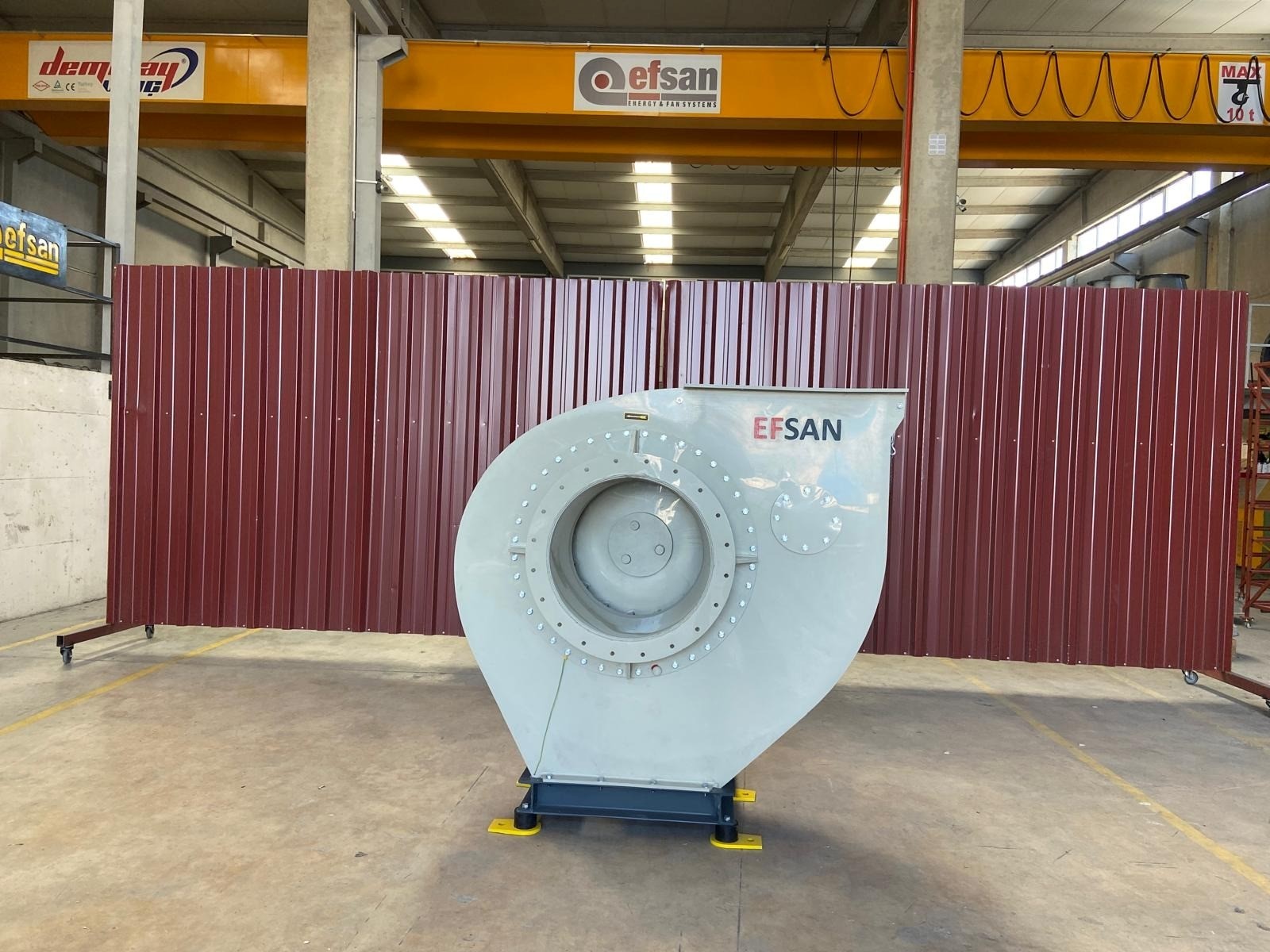
Efsan designs and manufactures custom industrial centrifugal fans tailored for the food, oilseed, and feed processing sectors, focusing on strict ATEX compliance, heavy-duty material construction, and precision aerodynamic engineering to eliminate facility downtime.
Standard, off-the-shelf ventilation equipment rarely survives the rigorous demands of 24/7 starch or feed production. Using generic fans often forces plant engineers to compromise on either energy efficiency or mechanical durability. At Efsan, our manufacturing approach is entirely project-specific. We understand that a high-pressure blower handling abrasive feed pellets requires a drastically different structural integrity and casing thickness than a high-speed fan used for clean-air drying in a hygienic food-grade environment.
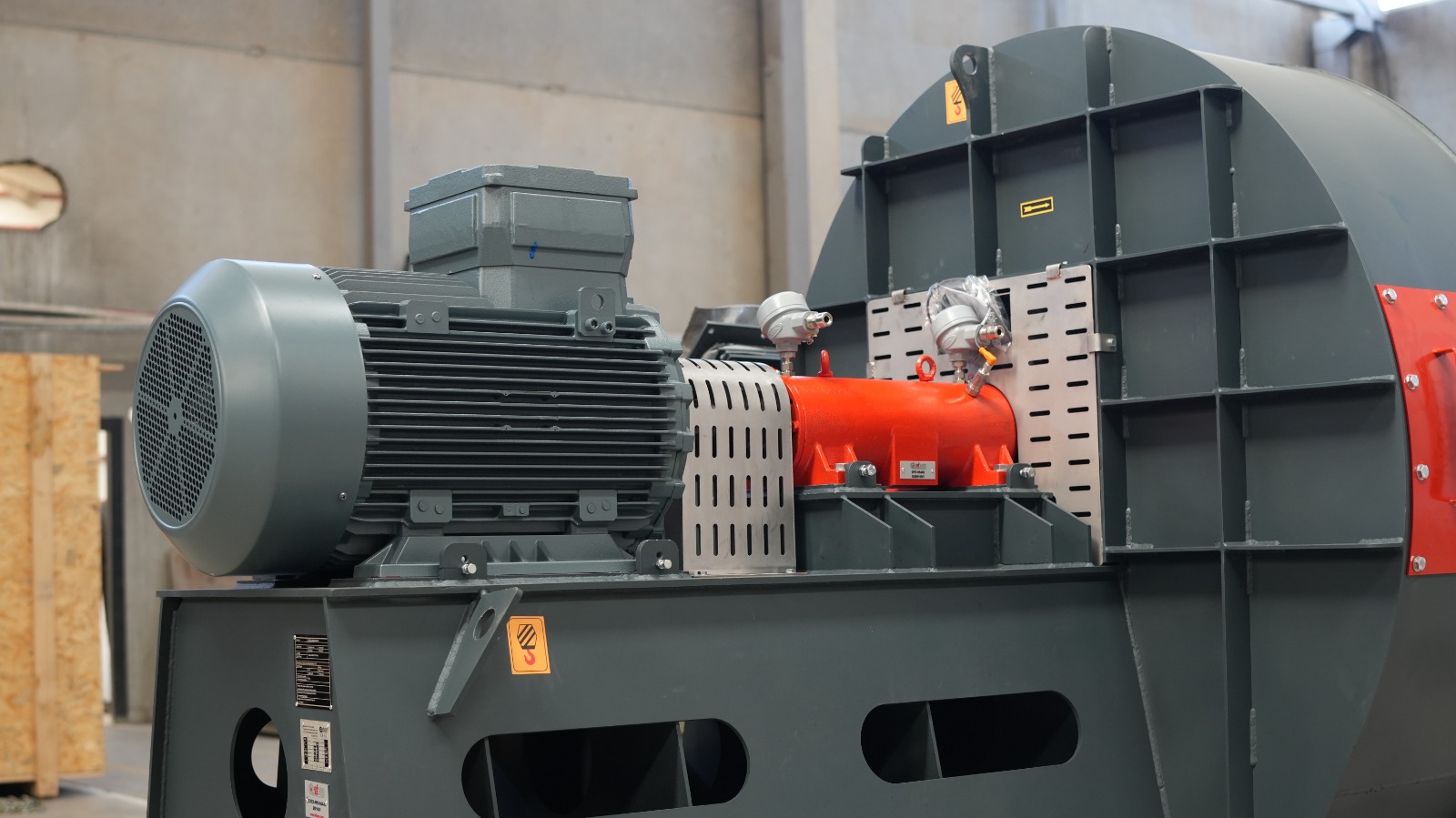
Furthermore, according to widely accepted industry practices for rotating equipment, every Efsan fan undergoes rigorous dynamic balancing to ensure vibration-free, continuous operation even under maximum load conditions. This meticulous engineering process guarantees that European processing plants receive a tailored solution that maximizes both safety and operational lifespan.
Partnering with the Right Manufacturer
Achieving seamless production in the food, starch, oilseed, and feed processing industries requires equipment built for reality, not just the test lab. The right industrial centrifugal fan improves your energy efficiency, guarantees facility safety, and keeps your production lines moving without interruption.
At Efsan, we engineer heavy-duty industrial centrifugal fans tailored to the exact demands of European processing facilities. From ATEX-compliant dust extraction to hygienic stainless-steel blowers for pneumatic conveying, our solutions are built for ultimate reliability.
Are you looking to upgrade your processing line or need a custom airflow solution designed from the ground up? Contact the engineering team at Efsan today to discuss your project requirements and discover how our industrial fans can optimize your operations.
tags :
More about the sector and our business