Table of Contents
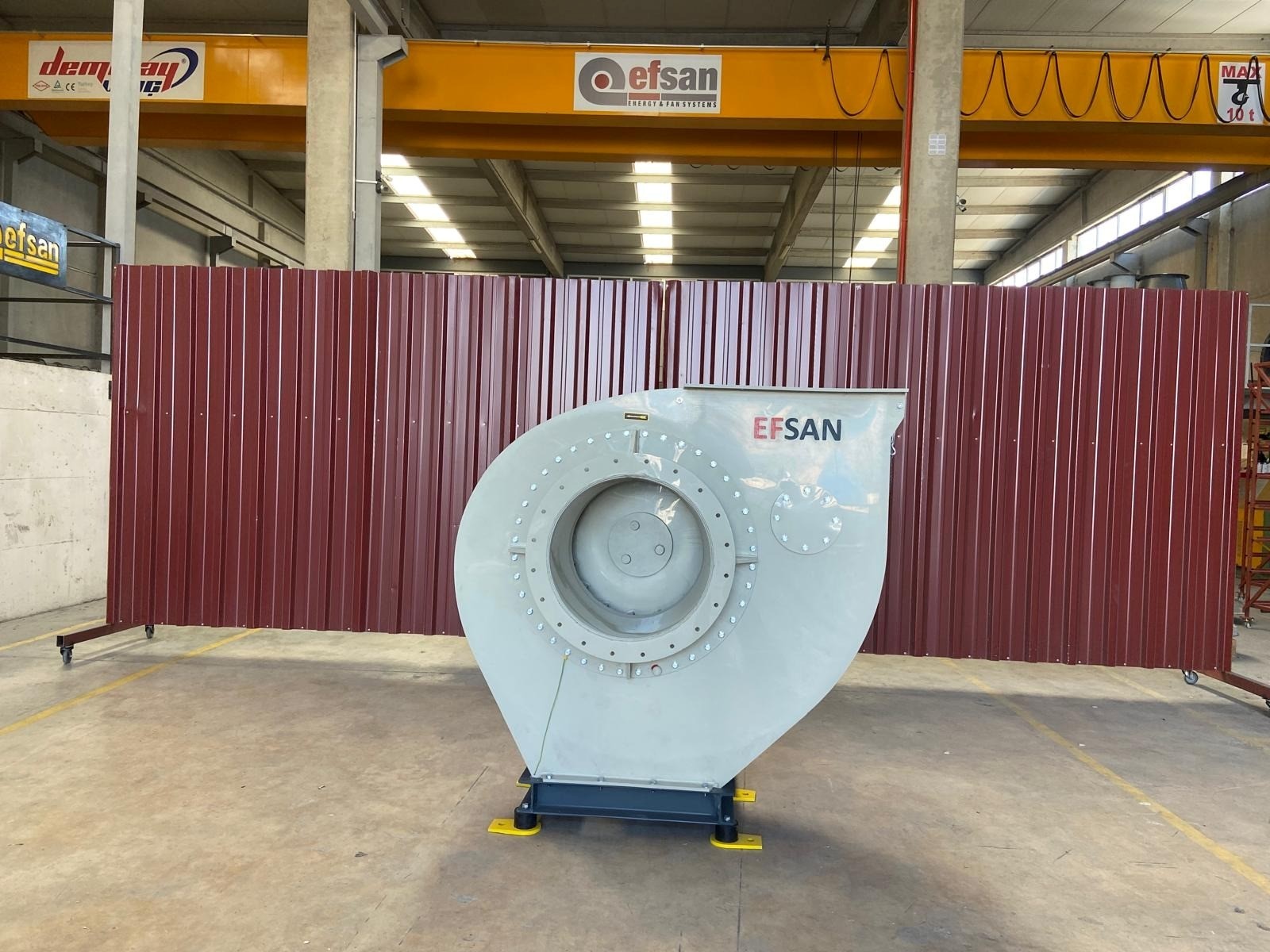
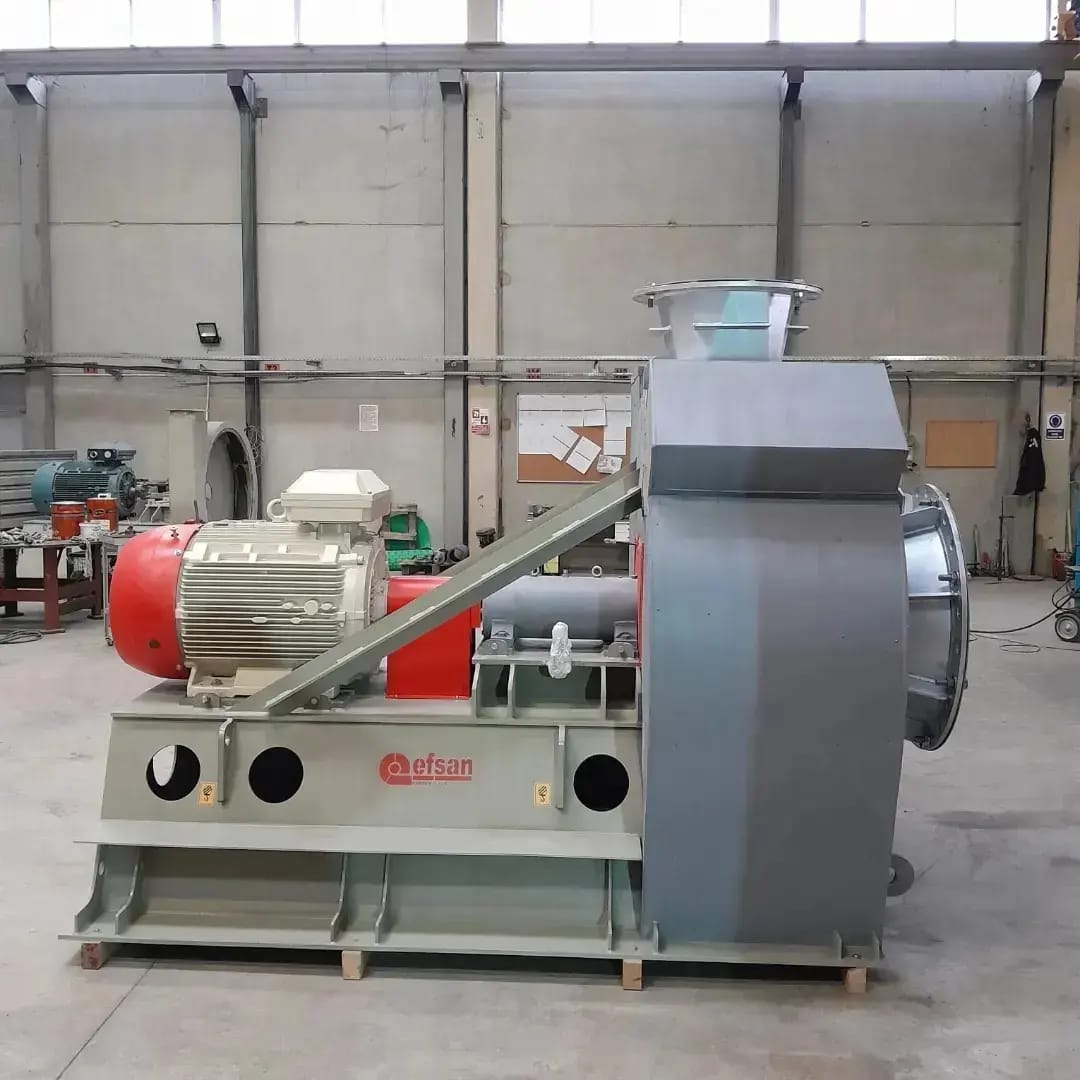
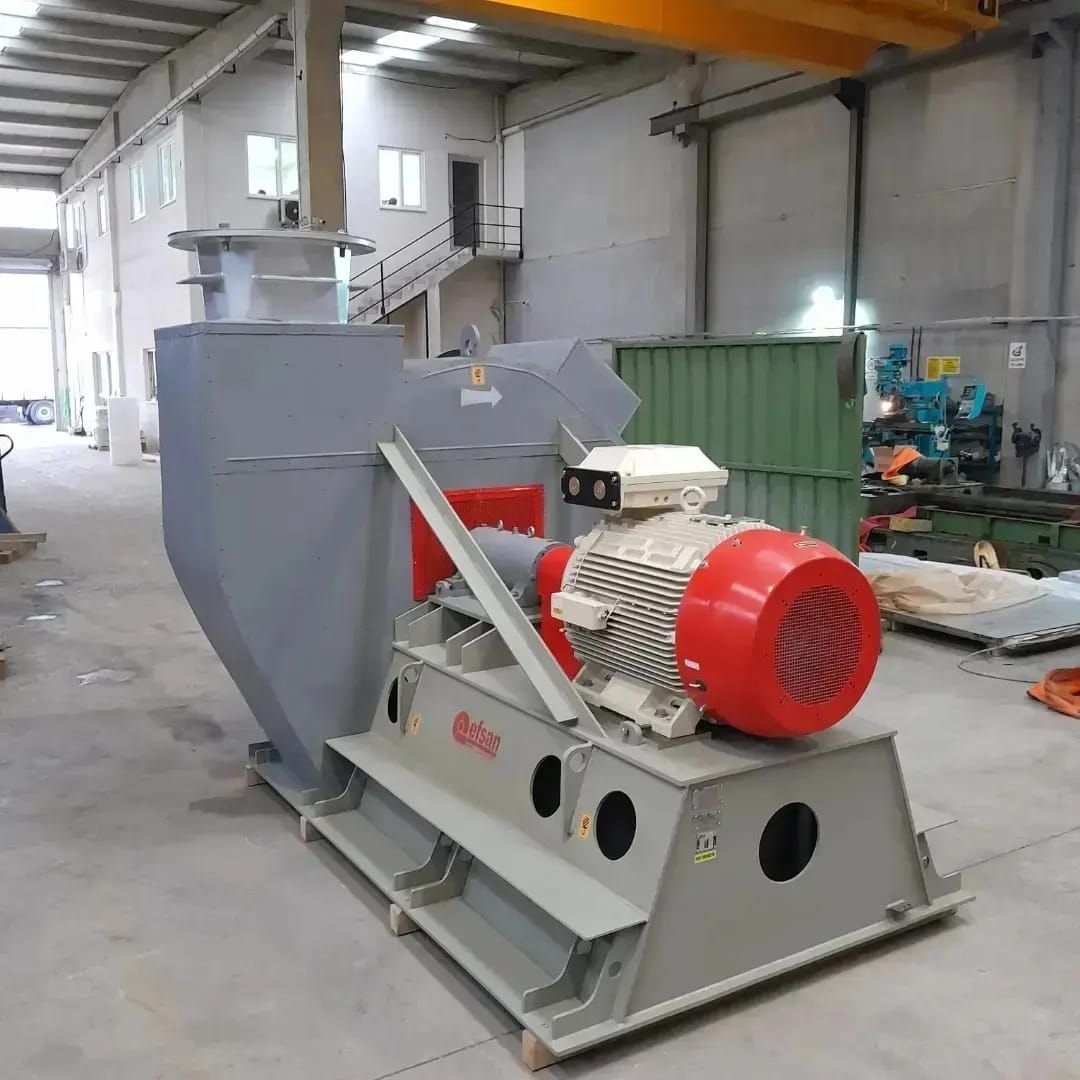
What is a process gas blower? A process gas blower is a heavy-duty, highly customized industrial centrifugal fan engineered to transport, compress, or extract toxic, explosive, or corrosive gases under demanding operational conditions. Unlike standard air blowers, these robust systems are designed with specialized gas-tight sealing technologies (such as mechanical or turbo seals), advanced metallurgical components, and explosion-proof (ATEX/ex-proof) configurations to ensure ultimate plant safety.
Key benefits:
Absolute prevention of hazardous and toxic gas leakage into the environment.
High structural resilience against acidic and corrosive gas streams.
Custom thermal adaptation to manage the specific condensation temperatures and molecular weights of varying process gases.
Selection Criteria: When sourcing a process gas blower, prioritize systems built strictly on API 673 design principles. Evaluate the sealing technology based on gas toxicity, ensure the motor and housing are certified ex-proof for hazardous zones, and always demand a comprehensive in-house Factory Acceptance Test (FAT) from the manufacturer before deployment.
What is a Process Gas Blower?
A process gas blower is an advanced rotational equipment designed specifically to safely manage challenging gas mixtures within industrial plants, eliminating the risks of leakage, internal corrosion, or sudden mechanical failure.
Continuous 24/7 Operation: Built for uninterrupted reliability in critical sectors like petrochemicals, metallurgy, and energy generation.
Custom Metallurgy: Housings and impellers are manufactured from specific high-alloy steels or coated materials based strictly on the chemical composition of the gas being handled.
Safety-Critical Design: Engineered to act as an impenetrable barrier, preventing the escape of volatile, lethal, or highly pressurized media into the facility.
Mini Example: In a chemical processing plant, a standard industrial fan attempting to extract sulfur-rich off-gases would suffer severe rotor degradation and bearing failure within weeks. In contrast, a properly engineered process gas blower utilizing corrosion-resistant metallurgy operates flawlessly for years, maintaining constant volumetric flow without structural compromise.
Myth Buster: “Any heavy-duty industrial air blower can be modified to handle process gas.”
Reality: Standard air blowers fundamentally lack the reinforced casing thickness, specialized gas-tight mechanical seals, and specific material grades required to safely contain toxic or explosive process gases. Attempting to modify a standard ventilation fan for hazardous gas duty is a severe safety and compliance hazard.
How Process Gas Properties Dictate Blower Engineering
The chemical composition, temperature, and specific gravity of a process gas fundamentally dictate the blower’s metallurgical profile, impeller design, and thermal management systems.
Condensation Management: Gases with high dew points require heated housings and specialized casing drains to prevent liquid pooling.
Corrosion Resistance: Highly reactive or acidic gases mandate the use of advanced alloys (like Hastelloy or Duplex stainless steel) or specialized internal coatings.
Thermodynamic Adaptation: Fluctuations in gas density and temperature directly determine the required motor sizing and aerodynamic impeller geometry.
Mini Example: If a specific process gas mixture has a condensation point of 120°C, the blower must be engineered with external thermal insulation and drainage systems. Without this, the gas would condense into liquid droplets that act as high-speed projectiles, causing severe erosion on the fast-spinning impeller blades.
This article may interest you. Mechanical Vapor Recovery (MVR) and Turbo Compressor Use in Processes
API 673 Compatible Design Principles for Ultimate Durability
Engineering process gas blowers in alignment with API 673—the rigorous standard for special-purpose fans—ensures maximum operational reliability, extreme structural integrity, and an extended equipment lifespan.
Heavy-Duty Casing: Reinforced housing thickness engineered to safely withstand maximum continuous operating pressures and unexpected system surges.
Precision Rotor Dynamics: Strict vibration tolerances and dynamic rotor balancing to ensure smooth, continuous operation under heavy loads.
Extended Bearing Life: Utilization of premium industrial bearings and optimized lubrication systems designed to exceed standard L10 operational life requirements.
Mini Example: A centrifugal blower designed with API 673 principles in a harsh refinery environment ensures that even during unexpected process pressure spikes, the rigid casing and precisely balanced rotor maintain structural integrity, entirely preventing catastrophic mechanical failure.
Process Gas Blower Selection Checklist:
[ ] Have you thoroughly analyzed the gas composition and its exact condensation point?
[ ] Is the operational facility classified as an ATEX or hazardous zone?
[ ] Does the process strictly require absolute zero-leakage (gas-tight) operation?
[ ] Are the blower’s structural specifications aligned with API 673 durability standards?
[ ] Does the manufacturer conduct a comprehensive in-house Factory Acceptance Test (FAT)?
[Need expert guidance on custom, API-compliant blower designs? Contact Efsan Engineering Team Today.]
Explosion-Proof (Ex-Proof) and ATEX Compliant Solutions
When handling flammable gases or operating in hazardous environments, explosion-proof process gas blowers are non-negotiable to prevent catastrophic ignition and ensure plant safety.
Spark-Resistant Construction: Utilizing non-ferrous internal components to eliminate the risk of mechanical sparks.
ATEX Certification: Full compliance with stringent European safety directives for equipment in explosive atmospheres.
Advanced Sensor Monitoring: Continuous temperature and vibration tracking to preemptively detect and prevent critical overheating.
Mini Example: For hydrogen gas extraction, an ATEX-certified blower incorporates spark-resistant brass or aluminum rub rings. This specific engineering eliminates the risk of internal ignition even if accidental mechanical friction occurs during operation.
Gas-Tight Configurations: Mechanical Seal vs. Turbo Seal
Achieving a 100% gas-tight environment is crucial for process safety. This is accomplished using advanced sealing technologies specifically adapted to the transported gas properties.
Mechanical Seals: Engineered for highly toxic or lethal gases, providing an absolute containment barrier with virtually zero leakage.
Turbo Seals (Labyrinth/Carbon): Efficient aerodynamic, non-contact sealing solutions ideal for clean, non-lethal, or easily manageable gases.
Purge Gas Systems: Utilizing an inert gas (such as Nitrogen) buffer at a higher pressure than the process gas to block any potential escape.
Mini Example: Handling lethal chlorine gas dictates the use of a double mechanical seal integrated with a continuous nitrogen purge system, ensuring absolute zero environmental exposure and protecting all plant personnel.
Comparison of Sealing Technologies
| Feature | Mechanical Seal | Turbo Seal (Labyrinth/Carbon Rings) |
| Leakage Rate | Practically Zero (Absolute Containment) | Minimal / Controlled Leakage |
| Maintenance Profile | Requires careful monitoring and lubrication | Low maintenance, robust operation |
| Optimal Application | Highly toxic, explosive, or lethal gases | Clean, non-lethal process gases |
| Friction & Wear | Contacting parts (requires buffer fluid/gas) | Non-contact or highly low-friction |
Factory Acceptance Test (FAT): Ensuring Guaranteed Performance
A Factory Acceptance Test (FAT) is the ultimate proof of engineering quality, rigorously testing the process gas blower under simulated operational conditions before delivery.
Performance Verification: Confirming precise flow rate and pressure metrics against initial design parameters.
Vibration Analysis: Ensuring smooth, API-compliant rotor dynamics and mechanical stability.
Leak Detection: Pressure testing the heavy-duty housing and advanced seals for structural integrity.
Mini Example: During a standard FAT at Efsan, a process gas blower is run at maximum operational speed while precision sensors verify that vibration levels remain consistently below the strict 2.5 mm/s threshold, guaranteeing long-term reliability.
The Comprehensive FAT Process:
Visual and dimensional inspection of the fully assembled blower unit.
Mechanical run test (continuous monitoring of bearing temperature and vibration).
Aerodynamic performance testing (precise flow and pressure mapping).
Seal leakage test utilizing inert gas under high pressure.
Final performance documentation and official sign-off by client facility engineers.
[Schedule a consultation to learn more about our rigorous FAT procedures. Request a Quote from Efsan.]
The Strategic Importance of Authentic Spare Parts
Maintaining a process gas blower safely requires utilizing high-precision, authentic spare parts to guarantee the equipment strictly meets its original operational tolerances.
Exact Dimensional Tolerances: Prevents severe aerodynamic efficiency loss and catastrophic mechanical failure.
Material Integrity: Precisely matches the required complex metallurgy to withstand highly corrosive process gases.
Warranty Protection: Keeps the industrial system fully compliant with strict manufacturer safety guarantees.
Mini Example: Replacing a specialized mechanical seal with a standard aftermarket alternative can lead to immediate toxic gas leakage due to microscopic variations in the seal face flatness and material grade.
Frequently Asked Questions (FAQ)
Because process blowers operate under extreme industrial conditions (high toxicity, pressure, and rotational speed), even a millimeter of deviation in a non-OEM part can cause catastrophic seal failure, extreme vibration, or explosive hazards.
Condensation creates liquid droplets that act like high-speed projectiles against a fast-spinning impeller, causing severe erosion. Specialized process blowers use heated casings and engineered drainage systems to safely manage this thermodynamic phase change.
Standard blowers handle clean ambient air. Process blowers are custom-engineered with heavy-duty metallurgy, advanced gas-tight seals, and ex-proof motors to safely manage dangerous, hot, or corrosive gases without leaking or degrading.
[Ready to secure the most reliable process gas blower for your facility? Contact Efsan for Custom Engineering Solutions.]
tags :
More about the sector and our business