Table of Contents
Economics of MVR: CAPEX vs. OPEX Balance
For industrial plant managers and process engineers across Europe, thermal separation processes typically represent the largest utility consumers on site. Shifting from traditional steam-driven evaporation to electricity-driven Mechanical Vapor Recompression (MVR) is not just an equipment upgrade; it is a major strategic and financial decision.
We firmly believe that deciding on an MVR installation based solely on theoretical energy savings is a critical mistake. The decision must be deeply rooted in your local electricity-to-steam cost ratio, the exact thermodynamics of your fluid, and the specific boiling point elevation (BPE) of your product. If the local grid electricity costs are extremely high while waste steam is abundant, the high CAPEX of an MVR compressor may not yield the desired Return on Investment (ROI) within an acceptable 3 to 5-year timeframe.
Understanding MVR Thermodynamics
The core economic advantage and technical efficiency of an MVR system are defined by its Coefficient of Performance (COP). In applied thermodynamic terms, the performance relates the latent heat of vaporization recovered to the electrical work consumed by the compressor:
COP = ΔH_vap / W_comp
Because the massive latent heat of the vapor (ΔH_vap)is entirely recycled within the closed-loop system rather than being discarded into a cooling tower or condenser, MVR systems typically achieve a COP between 10 and 30. This means the system effectively delivers 10 to 30 times more thermal energy to the process than the electrical energy it consumes.
MVR in Sugar Processing: Maximizing Brix with Less Steam
In sugar refining, concentrating thin sugar juice to a target Brix level is notoriously energy-intensive. Traditional sugar mills have historically relied heavily on exhaust steam from turbines. However, as modern facilities optimize their overall power generation and cogeneration cycles, excess low-pressure steam is no longer a guaranteed commodity.
MVR evaporators act as a game-changer here by operating as a high-efficiency pre-concentrator or by completely replacing the initial effects of a conventional multi-effect setup.
- The Strategic Advantage: Integrating MVR allows plant managers to decouple their evaporation load from the boiler house capacity. This independence significantly reduces fuel consumption and stabilizes plant-wide steam networks.
- The Operational Challenge: Sugar juice viscosity increases dramatically as the Brix concentration rises. If the vapor flow and evaporation rates are not tightly controlled, this rapid increase in viscosity puts severe aerodynamic and mechanical strain on the compressor, reducing its operational lifespan.
Dairy & Whey Evaporation: Solving the Fouling Challenge
The dairy industry, particularly whey protein concentration, presents a highly sensitive thermal environment. Milk and whey are notoriously heat-sensitive fluids, prone to rapid protein denaturation and calcium phosphate precipitation when exposed to excessive heat.
In our field experience, the most common operational failure in dairy MVR systems isn’t the mechanical compressor itself; it is inadequate product pre-filtration and improper temperature differentials (ΔT) leading to severe calandria fouling. Once the heat exchanger tubes begin to foul, the overall heat transfer coefficient plummets. The compressor is then forced to work harder to maintain evaporation rates, pushing the system dangerously close to surge or stall conditions.
To successfully mitigate this, robust dairy MVR applications require strict engineering controls:
- Low ΔT Operations: Keeping the temperature difference across the heating surface strictly between 2°C and 5°C. This narrow margin prevents the thermal degradation of the whey proteins.
- Falling Film Technology: Ensuring highly uniform and continuous wetting of the evaporation tubes. Proper liquid distribution is critical to prevent dry spots and localized burning inside the calandria.
- Automated CIP (Clean-in-Place): Integrating dynamic, automated flushing cycles that are directly triggered by real-time pressure drops across the compressor, rather than waiting for a fixed, arbitrary time interval.
This article might interest you. MVR and ZLD Systems: Zero Discharge and Maximum Energy Efficiency in Industry
Salt Crystallization: Combating Corrosion with Material Selection
Moving from standard fluid concentration to salt crystallization (such as Sodium Chloride brine or Zero Liquid Discharge – ZLD systems) shifts the entire engineering paradigm. In these applications, the Boiling Point Elevation (BPE) is significantly higher than in dairy or sugar processing, typically ranging between 7°C and 15°C. This requires highly robust compressor technologies—often multi-stage centrifugal fans or high-efficiency positive displacement blowers—to achieve the necessary pressure rise.
However, the primary threat to an MVR system in a salt environment is not thermodynamic; it is metallurgical. High-temperature brines release aggressive chloride ions that cause rapid pitting, crevice corrosion, and stress corrosion cracking (SCC) in standard metals.
MVR Metallurgy and Process Selection Matrix
| Industry Branch | Typical Process Fluid | Primary Operational Threat | Recommended Metallurgy Standards |
| Dairy Processing | Milk, Whey Permeate | Organic Fouling, Hygiene Risks | Stainless Steel 304L / 316L |
| Sugar Refining | Raw Sugar Juice | High Viscosity, Carbonization | Stainless Steel 304 / 316 |
| Ethanol Production | Thin Stillage, Slurry | Organic Scaling, Mild Acidity | Stainless Steel 316L |
| Salt & ZLD Plants | Brine, Industrial Wastewater | Severe Pitting, Chloride Corrosion | Titanium Grade 2 / Super Duplex |
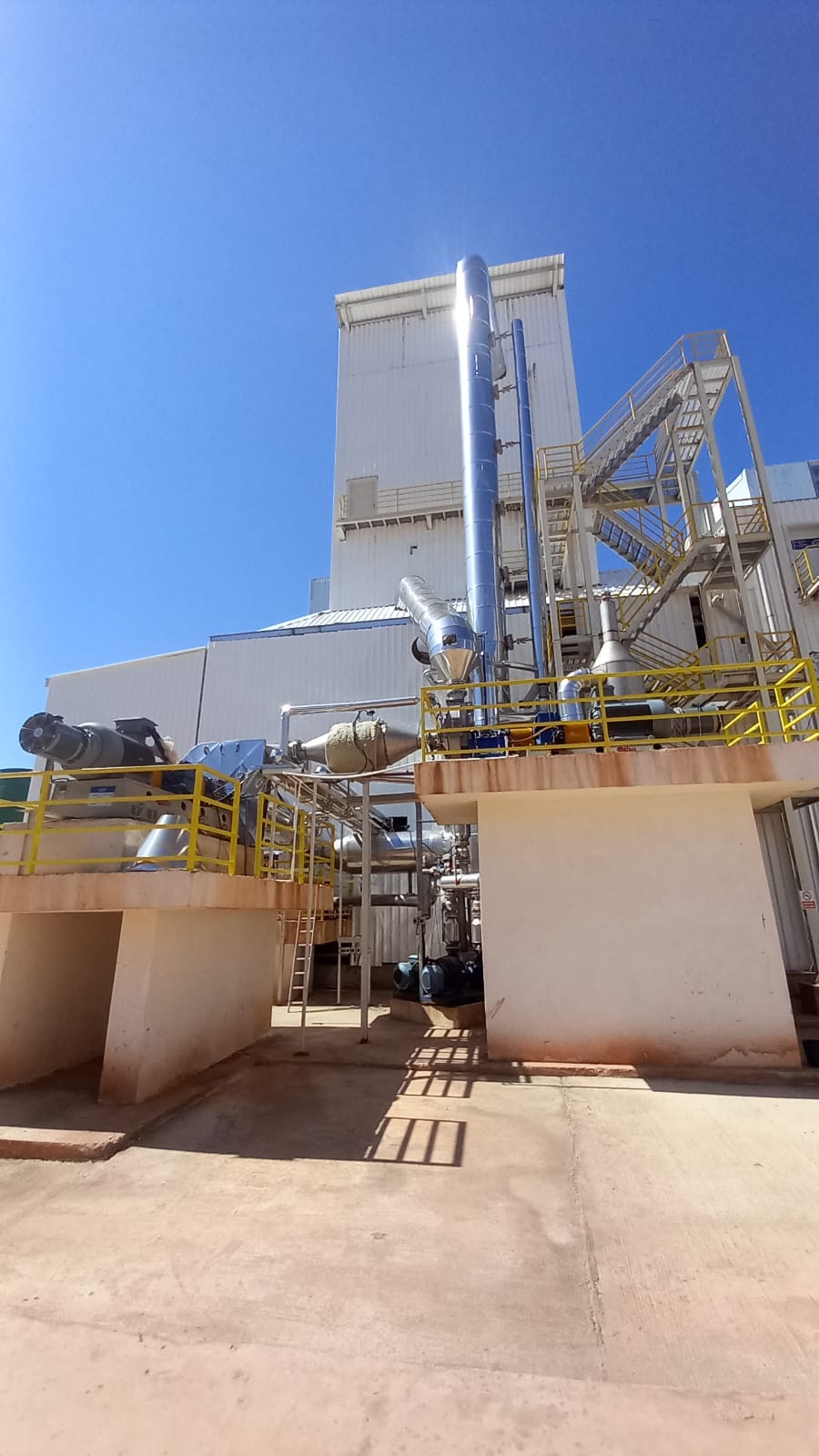
Ethanol Processing: Distillation Efficiency using Vapor Recompression
In the bioethanol and chemical industries, energy efficiency directly dictates daily plant profitability. Traditional ethanol production relies on multi-effect distillation columns fueled entirely by live utility steam. However, modern environmental regulations and volatile fuel markets across Europe are forcing a shift toward electricity-driven vapor recompression.
MVR technology is highly effective when applied to thin stillage concentration—the byproduct left after distillation. By capturing the low-pressure overhead vapors from the evaporation columns, compressing them mechanically, and returning them to the reboiler, the plant closes the thermal loop.
Direct Energy Translation
- Traditional Multi-Effect Evaporators (MEE): Consume approximately 0.3 to 0.4 tons of live steam for every ton of water evaporated from the stillage.
- MVR Mechanical Upgrades: Reduce live steam demand to virtually zero during steady-state operations. The entire thermal workload is transferred to the compressor, which typically consumes only 15 to 25 kWh of electricity per ton of evaporated water.
This massive reduction in steam dependency allows bioethanol plants to drastically shrink their carbon footprint while freeing up boiler capacity for other high-temperature processing needs on-site.
Efsan‘s Decision Matrix: When NOT to Choose MVR
It is a widespread industry misconception—often pushed by sales-driven manufacturers—that Mechanical Vapor Recompression is the perfect, universal solution for every thermal separation process. As process engineers, we believe transparency is critical. We strongly advise against installing an MVR system if your process conditions fall into the following categories:
- Excessively High Boiling Point Elevation (BPE): If your product’s BPE exceeds 45°C to 50°C, a standard single-stage centrifugal fan cannot generate the necessary pressure ratio to overcome the temperature difference. While multi-stage compressors exist, they make the initial CAPEX prohibitively expensive and hard to justify.
- Unfavorable Utility Ratios: MVR is electricity-driven. If your facility has access to abundant, low-cost (or “free”) waste steam from other processes, but local grid electricity prices are extremely high, upgrading to an MVR will not yield a favorable ROI. In such cases, a Thermal Vapor Recompression (TVR) unit or a highly optimized Multi-Effect Evaporator (MEE) is mathematically the better choice.
- Highly Intermittent Production: MVR compressors thrive in steady-state, continuous 24/7 operations. Frequent start-stop cycles subject the compressor impellers and bearings to severe mechanical stress and thermal shock, rapidly degrading the equipment.
The MVR Project Feasibility Checklist
Before initiating an engineering study, ensure your project meets these baseline criteria:
- [ ] Is the liquid’s Boiling Point Elevation (BPE)
- [ ] Is the plant designed for steady, continuous operation rather than batch processing?
- [ ] Is the local cost of electricity financially competitive compared to generating live boiler steam?
- [ ] Has the proper construction metallurgy been factored into the CAPEX budget?
Real-World Compressor Maintenance & Reliability
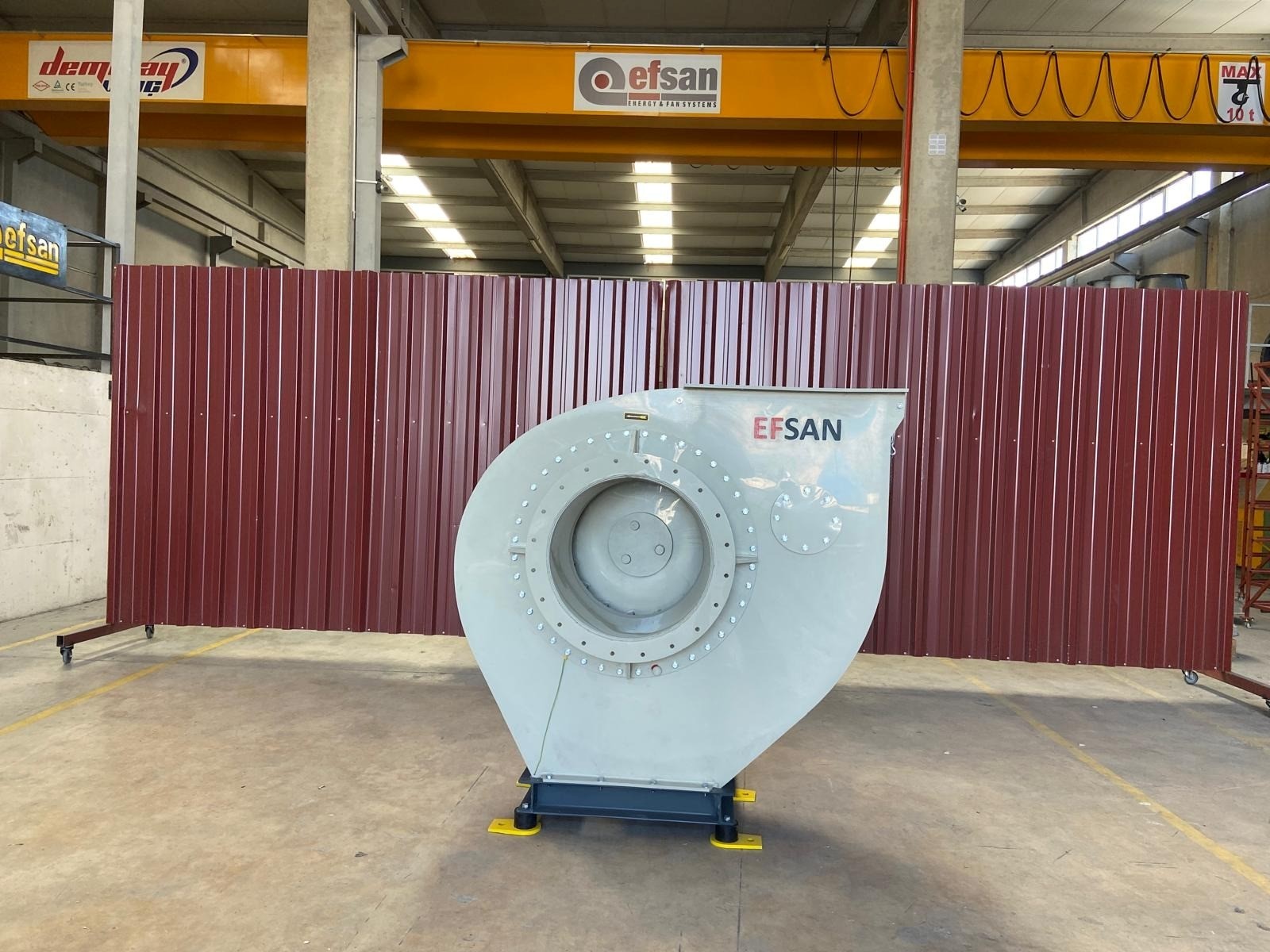
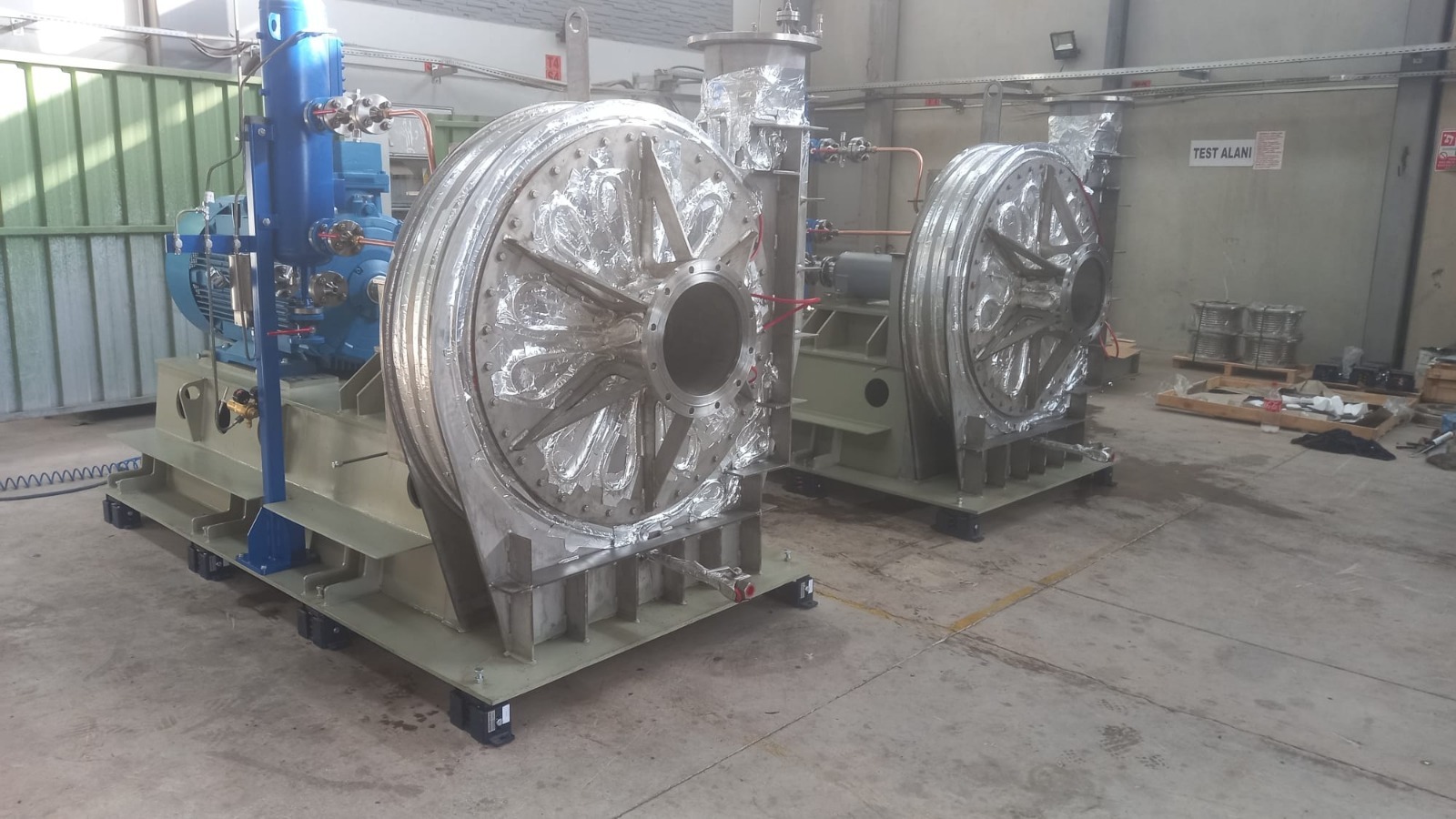
The mechanical heart of any MVR plant is the compressor. Whether you are using a centrifugal fan or a positive displacement blower, reliability is paramount.
In our practical field experience, the most frequent critical mistake made by plant operators is the neglect of vapor quality and vibration monitoring. When liquid droplets bypass the separators and carry over into the compressor (carry-over), they strike the high-speed impeller blades like microscopic bullets. Over time, this micro-erosion creates mechanical unbalance, leading to extreme vibration spikes and catastrophic bearing failure.
A robust MVR design must not cut corners on vapor separation. Integrating high-efficiency mist eliminators (demisters) prior to the compressor inlet is a non-negotiable engineering standard to protect your most expensive asset.
Frequently Asked Questions (FAQ)
The primary disadvantage is the high initial CAPEX. Additionally, dairy proteins are highly heat-sensitive; if the MVR system’s temperature differential (ΔT) is not perfectly controlled, it leads to rapid calandria fouling, requiring frequent and aggressive cleaning cycles.
Compared to conventional multi-effect evaporators relying entirely on live steam, an MVR system can reduce steam consumption by 90% to 95%. It replaces the thermal load with a fraction of the electrical energy needed to run the mechanical compressor, offering a rapid ROI if local electricity rates are favorable.
tags :
More about the sector and our business