Table of Contents
- Radial Fans Used in Cement Factories
- Primary Air Fan (Primary Air Fan): Rotary Oven, Flame Pipe and Its Effect on Combustion Efficiency
- ID Fan (Induced Draft Fan): Gas Flow and System Stability in Cement Process
- Engineering Criteria to Consider in ID Fan Design
- Clinker Cooling Fans (Clinker Cooler Fan)
- Air Band Fans (Air Slide Fan)
- Frequently asked questions
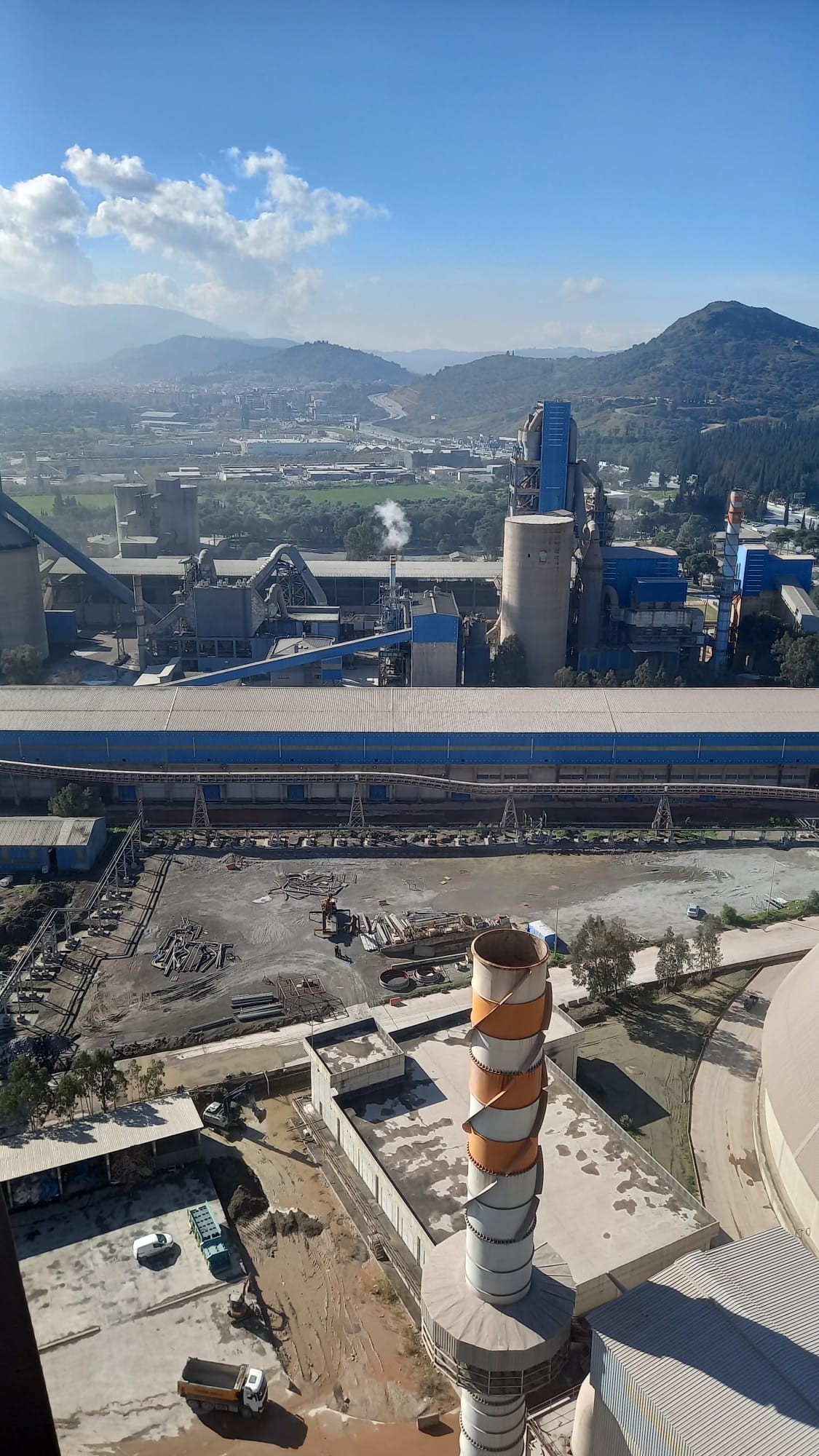
Cement production is one of the heaviest industrial processes where high temperature, dense dust load and uninterrupted operation are required simultaneously. Rotary furnaces, mills, filter systems and clinker coolers work interconnectedly. The airflow problem that may occur in any of these equipment can directly affect the performance of the entire production line, not just the relevant equipment.
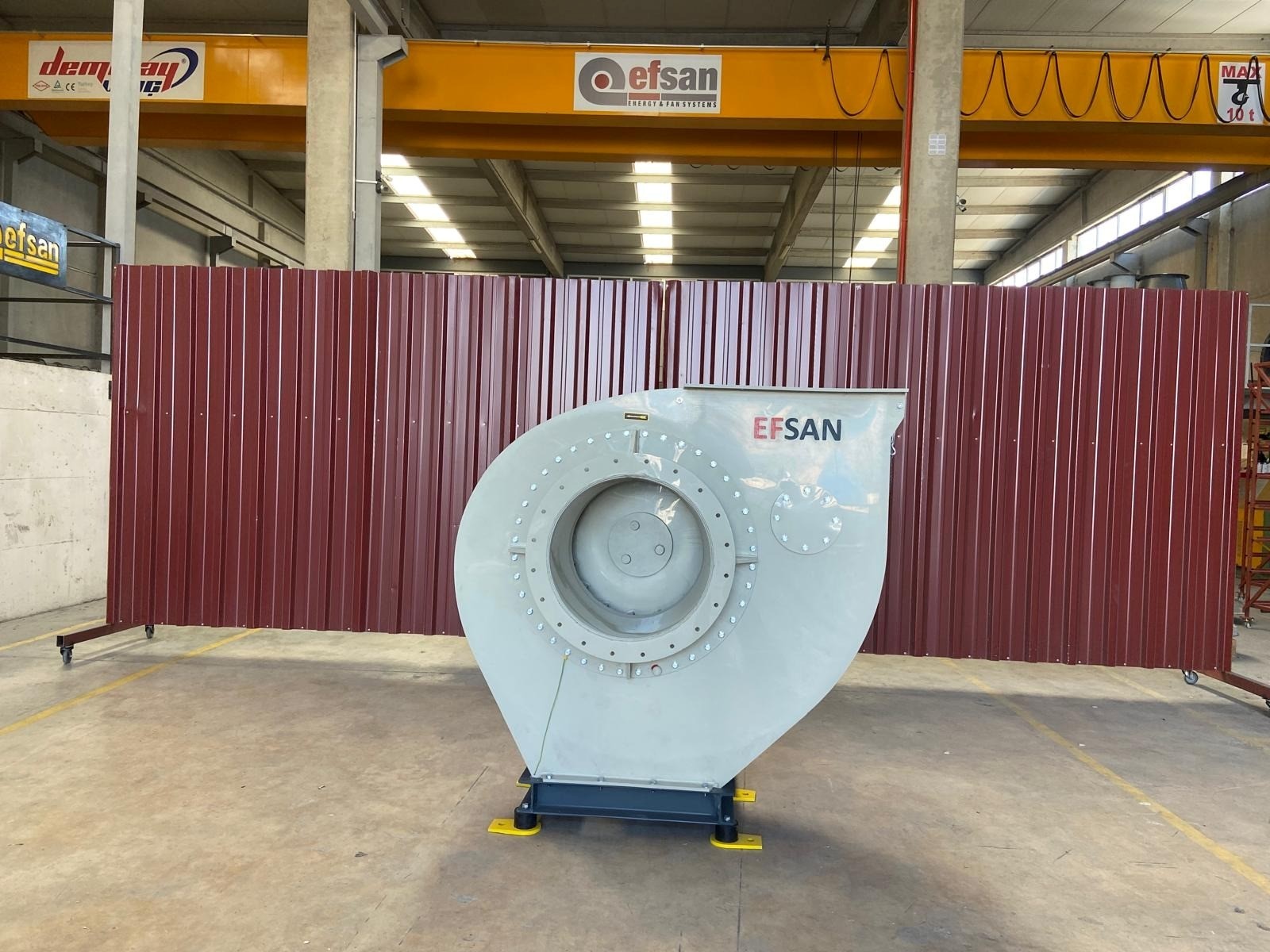
Therefore used in cement plants radial fans, are not equipment exclusively tasked with transporting air or process gas. Providing combustion air, transporting hot gases, operating dust collection systems, cooling the clinker and pneumatic many critical processes, such as feeding transport systems, depend directly on fan performance. The flow rate, static pressure, operating stability and mechanical strength provided by the fan are among the basic engineering parameters in terms of production continuity.
In the cement industry, fan selection is often evaluated solely on flow rate and pressure values. However, choices made without taking into account the temperature, particulate load, corrosivity, gas density, system resistance, operating regime and maintenance conditions of the gas in which the fan will operate; It may cause significant operating problems such as low efficiency, high energy consumption, unplanned downtime and shortened equipment life.
Especially Primary Air Fan (Primary Air Fan), the ID Fan (Induced Draft Fan), the Clinker Cooling Fans (Clinker Cooler Fan) and the Air Band (Air Slide) Fans, are among the most critical fan groups of the cement process. Since each of these fans has different operating characteristics, using a single fan design in all applications is not a correct engineering approach.
In this article, the tasks of radial fans used in cement factories in the process, operating principles according to fan types, selection criteria and basic engineering parameters that should be taken into account during design will be discussed. Also requiring particularly high pressure Primary Air Fans and applications used in rotary kiln systems will be examined in detail.
Radial Fans Used in Cement Factories
Many with different working conditions in the cement production process radial fan used. Every fan; It is designed with different engineering criteria according to the temperature it operates at, the gas it carries, the pressure required and its function in the process. Below are the most commonly used radial fan types in cement plants.
Primary Air Fan (Primary Air Fan)
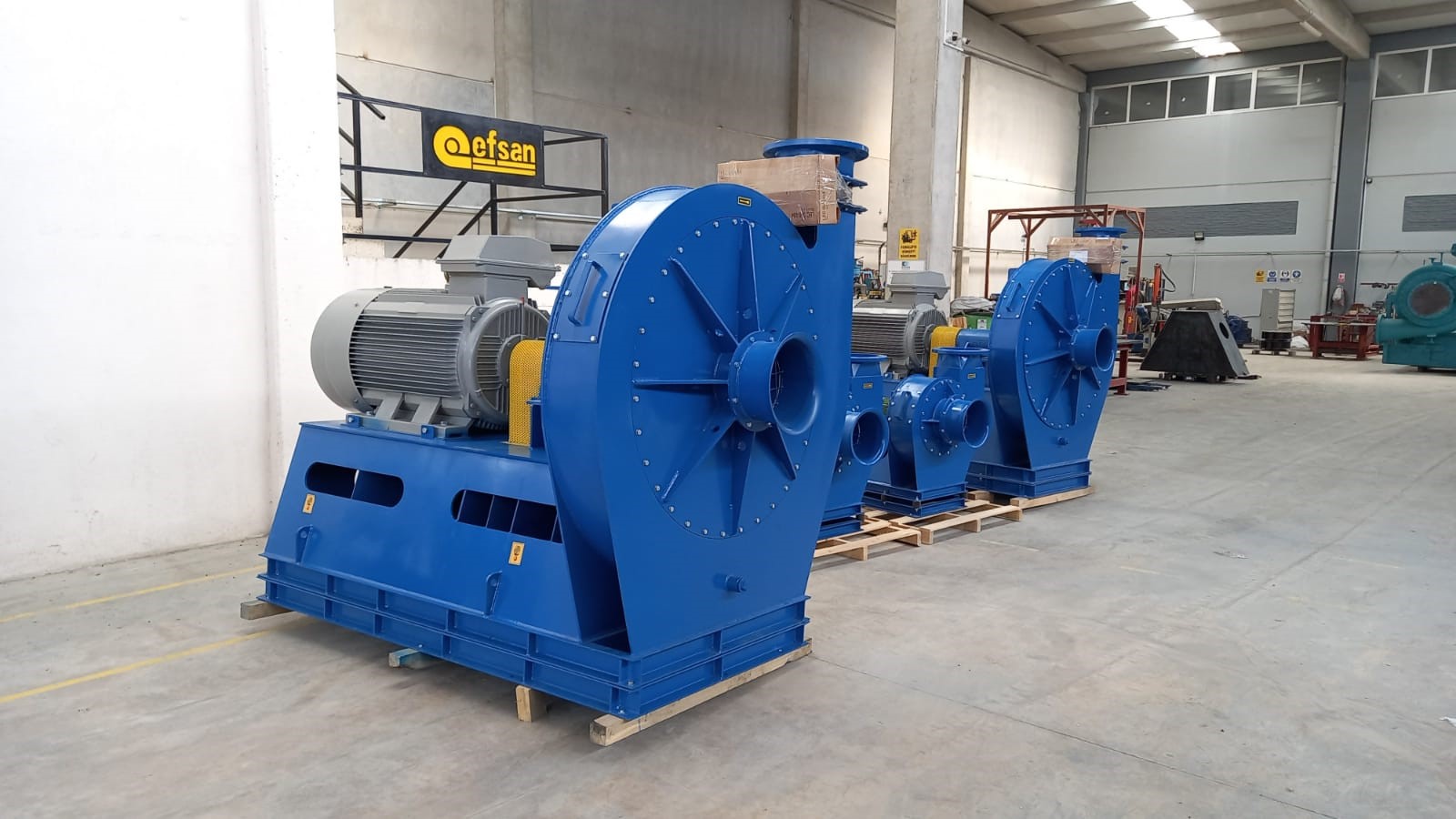
Primary air fans are high-pressure fans that supply combustion air to the rotary kiln burner. Stable airflow and adequate static pressure are critical to flame stability and efficient fuel combustion.
ID Fan (Induced Draft Fan)
ID fans are suction fans that carry hot gases from the rotary kiln and process equipment to the filter system and chimney. It must be designed in accordance with high temperature, dust load and continuous operating conditions.
Clinker Cooling Fans (Clinker Cooler Fan)
Clinker cooling fans provide controlled cooling of the clinker by introducing air under the cooling grid. Fan performance can directly affect both clinker quality and waste heat recovery efficiency.
Farin Mill Fan (Raw Mill Fan)
Raw Mill fans contribute to the grinding and drying process by providing gas circulation in the mill system. The operating point must be determined taking into account mill capacity and system resistance.
Coal Mill Fan (Coal Mill Fan)
Coal mill fans are involved in transporting and drying ground coal. Due to the risk of explosive environments, sealing, temperature control and safe working criteria are at the forefront.
Separator Fan (Separator Fan)
Separator fans create airflow that separates the thin and coarse material. Fan characteristic has significant impact on mill efficiency and product fineness.
Bag Filter Fan:
In dust retention systems, it is a fan that absorbs the air passing through the filter bags and ensures the negative pressure of the system
Air Band Fan (Air Slide Fan)
Air belt fans enable materials such as finely powdered cement and farin to be fluidized with air. Stable and low pulsation airflow is important for the efficient operation of the system.
Primary Air Fan (Primary Air Fan): Rotary Oven, Flame Pipe and Its Effect on Combustion Efficiency
This article may interest you. The Most Common Problems and Solution Suggestions in Industrial Radial Fans
Primary Air Fan (Primary Air Fan) is one of the most critical fans that ensure stable and efficient operation of the rotary kiln in cement factories. The main task of this fan is to provide the burner (burner) with the necessary primary air and contribute to the transportation of fuel, the formation of a flame and the combustion under control. As much air as the amount of air provided it has sufficient static pressure and is transmitted stably it is also of great importance in terms of process.
Primary air, flame pipe (Burner Pipe) it is sent to the rotary kiln. This air flow moving through the flame pipe; While it helps transport coal dust, petrococques or alternative fuels, it also directly affects the shape, length and stability of the flame. Therefore, the performance of the primary air fan is not only a matter of fan capacity, but also directly related to combustion efficiency and clinker production quality.
A Primer Air Fan that is incorrectly selected or does not meet the process need; It may cause problems such as insufficient air pressure, irregular fuel supply and unstable flame formation. As a result, fuel consumption may increase, combustion efficiency may decrease, and the operating regime of the rotary kiln may be negatively affected. Especially in modern cement plants where the rate of alternative fuel use is high, the correct design of the primary air system has become much more critical.
One of the most important engineering criteria in Primary Air Fans is to achieve the desired high static pressure with the highest possible efficiency. It is not enough just to reach the target pressure; The operating curve of the fan must perform stably under variable process conditions and maintain its efficiency over a wide operating range.
In applications requiring high pressure, multistage fan solutions are preferred in some systems. However, the same pressure values with proper aerodynamic design single stage (Single Stage) it is possible to obtain it with radial fans. Single stage designs; It can provide significant advantages such as simpler mechanical structure, lower maintenance need, higher mechanical reliability and energy efficiency. Correct determination of the actual pressure and flow rates required by the system when selecting the fan is a basic engineering step in creating the most suitable solution.
In Primary Air Fan design, not only aerodynamic performance; Rotor strength, shaft design, bearing system, vibration level and balance quality should also be evaluated in terms of long-term and reliable operation. Since rotary furnaces are continuously operating processes, unplanned failures in these fans can directly affect not only the equipment but also the production continuity.
ID Fan (Induced Draft Fan): Gas Flow and System Stability in Cement Process
ID Fan (Induced Draft Fan) is a suction fan that carries hot process gas passing through rotary kiln, preheater (preheater), calciner and dust retention systems to the filter system and chimney in cement factories. These fans not only ensure the evacuation of gas; It also controls the continuity of gas flow and process pressure balance within the furnace system.
ID fans operating in cement processes are exposed to high temperature, corrosive dust, variable gas density and continuous operating conditions. For this reason, when designing fans, not only flow rate and static pressure values; Operating temperature, gas composition, particle load, wear characteristics and system resistance should be evaluated together.
The operating performance of an ID Fan directly affects the entire gas line, from preheater cyclones to the bag filter. Insufficient fan capacity or moving away from the working point; It may cause gas flow disruption, process efficiency decrease and energy consumption increase. ID Fan selection should therefore be treated as part of the aerodynamic design of the entire gasline, not just a fan selection.
Engineering Criteria to Consider in ID Fan Design
ID fans used in cement plants have much harsher working conditions than standard industrial fans. For a long-lasting and reliable enterprise, the following engineering criteria should be evaluated at the design stage.
- Operating and maximum peak gas temperature
- The amount of dust contained in the gas and its particulate properties
- System resistance at fan input and output
- Mechanical strength of the rotor under high temperature
- Suitable material or wear protection in areas subject to wear
- Protection of the shaft and bearing system from temperature
- Rotor balance to operate at low vibration level
- Mechanical design to facilitate maintenance and periodic checks
Evaluating these criteria together is important not only for the fan to provide the desired performance, but also for it to operate reliably for a long time.
Clinker Cooling Fans (Clinker Cooler Fan)
Clinker cooling fans (Clinker Cooler Fan) are fans that provide controlled cooling of the clinker coming out of the rotary kiln. While the temperature of the clinker is reduced thanks to the air supplied under the cooling grid (grate cooler), the resulting hot air is evaluated in the combustion system and contributes to energy recovery.
The performance of these fans directly affects not only the cooling of the clinker, but also the coolant efficiency, furnace operation and total energy consumption of the plant. For this reason, when choosing a fan, not only the required air flow rate; The static pressure to be created by the fan, its operating efficiency and its performance under variable process conditions should be evaluated together.
Fans generally used in clinker coolers FN1, FN2, FN3 it is named according to different regions. Each fan is selected individually according to the amount of air and pressure required by the cooling zone in which it is located. Therefore, using fans with the same characteristics in all regions is not a correct engineering approach.
Air Band Fans (Air Slide Fan)
Air belt fans (Air Slide Fan) are used in systems that enable cement, farin and other fine-grained materials to be fluidized and transported by air. It helps the material move regularly through the air groove (air slide) by creating low pressure and stable air flow.
In these applications, as much air as the fan will provide stable and continuous air flow it is also important. Insufficient air flow or pressure can cause the material to lose fluidity and reduce transport performance. Therefore, when choosing a fan, system length, air groove design and process need should be evaluated together.
Material Deposition and Wear in Cement Fans
Radial fans working in cement processes; It operates in much harsher conditions than other industrial fans due to its high dust load, corrosive particles and continuous operating conditions. Especially in fans carrying headlights, clinkers and oven dust material accumulation and the abrasion-related wear, are two main problems that directly affect fan performance and mechanical life.
Rotor Design Directly Affects Material Accumulation
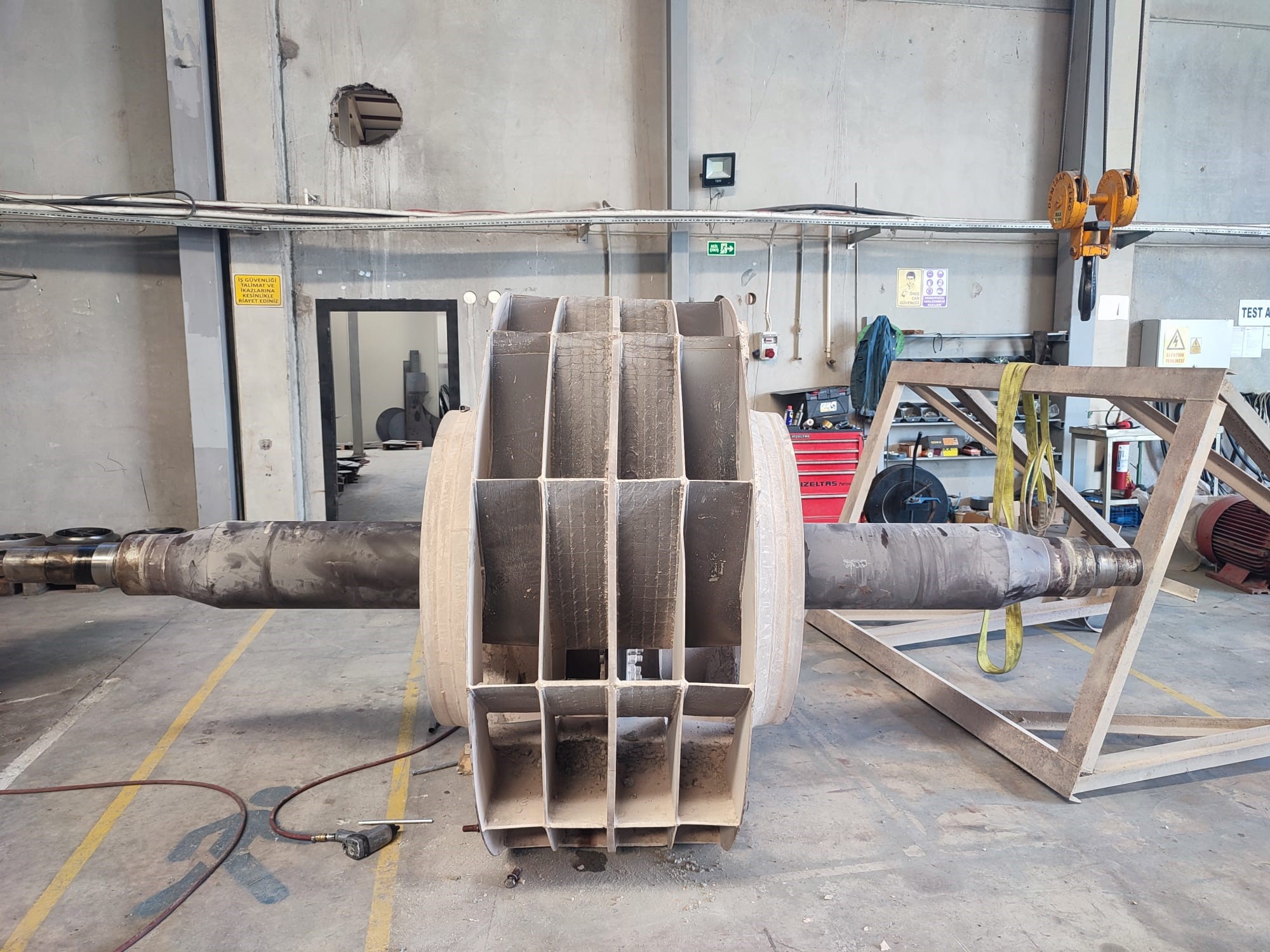
One of the most common problems in dusty gas applications is the build-up of material on the fan rotor over time. Irregular accumulations on the rotor blades can change the mass distribution of the rotor, causing unbalance and increasing vibration levels.
Therefore, the choice of durable materials alone is not sufficient for fans to be used in cement processes. Rotor geometry, blade structure and flow design, must be designed to minimize the material’s adhesion on the rotor. Proper rotor design ensures both more stable operation and contributes to extended maintenance periods.
Correct Protection Methods Against Wear
In ID Fan, Separator Fan and other applications with high dust loads, particles in the gas may cause wear on the rotor blades and snail body over time. Therefore, applying appropriate protection methods in areas of the fan that are subject to wear significantly increases equipment life.
Some of the preferred methods in applications with a high risk of wear include:
- Using wear-resistant steels
- Applying wear plates (Wear Plate) to critical areas of the rotor and body
- Shortening maintenance time with replaceable wear plates
- Reducing the particle impact effect by rotor design suitable for gas flow
Not every cement process has the same wear characteristics. Therefore, the material to be used and the wear protection method; Gas speed, particle size, dust load and operating temperature should be evaluated together and determined.
For radial fan design specific to your facility’s process, advanced single-stage primary fans, backup (standby) strategies and technical specification support Efsan contact our expert engineer staff immediately.
Frequently asked questions
Should critical fans be backed up in cement plants?
Especially in cement plants where production continuity is critical Primary Air Fan, ID Fan and Clinker Cooling Fan for fans that directly affect the process, such as a backup fan (standby fan) or an appropriate backup strategy is recommended.
In case of an unexpected malfunction or planned maintenance need in these fans, the ability to commission a spare fan can prevent production from stopping for a long time and allow maintenance work to be carried out in a more controlled manner. Especially in continuous production facilities, backup strategy is an important engineering approach in terms of operating continuity and maintenance planning.
Which is the most critical radial fan in cement factories?
It is not correct to consider a single fan as the most critical equipment. However, the Primary Air Fan (Primary Air Fan), the ID Fan (Induced Draft Fan) and the Clinker Cooling Fans, among the most critical fans of the cement process, since they have a direct influence on the rotary kiln and production continuity. The performance of these fans is of great importance in terms of production capacity and process stability.
Why should the Primary Air Fan produce high pressure?
The Primary Air Fan must ensure that the air sent to the burner has sufficient static pressure. This pressure; It is critical for the transportation of fuel, the formation of flame and the steady continuation of combustion. Insufficient pressure can negatively affect combustion performance and furnace efficiency.
Are Primary Air Fan and PA Fan the same equipment?
Yes. Primary Air Fan, the Primary Air Fan and the PA Fan their terms refer to the same equipment. In some facilities Primer Fan or Burner Fan it may also be called.
What is ID Fan?
ID Fan (Induced Draft Fan)is the suction fan that carries hot gases from the rotary kiln and process equipment to the filter system and chimney. It also helps control gas flow and process pressure within the furnace.
What are the most common malfunctions in cement fans?
The most common problems include rotor wear, unbalance due to material accumulation, increased vibration, bearing failures, and mechanical problems caused by high temperature. Most of these problems can be prevented with correct fan design, regular maintenance and appropriate operating conditions.
Why is material accumulation in the fan rotor important?
The build-up of material on the rotor can unbalance the rotor, causing the vibration level to increase. Long-lasting vibrations can create additional mechanical load on bearings, shafts and other rotating equipment. Therefore, it is important that the rotor design is done in a way that minimizes material accumulation.
How can wear be reduced on cement fans?
Wear-resistant materials or replaceable wear plates can be used in critical regions of the rotor and body in wear-intensive applications. In addition, appropriate rotor geometry and accurate gas flow design also contribute to reducing wear rate.
What do FN1, FN2 and FN3 mean in clinker cooling fans?
The expressions FN1, FN2 and FN3 are used to describe fans operating in different air zones on the clinker cooler. Since the air flow rate and pressure required by each region are different, fan selections should be made according to process conditions.
What is the function of air belt (Air Slide) fans?
Air belt fans; It enables cement, raw materials and similar fine powder materials to be fluidized and transported by air. Stable airflow is important for the uninterrupted and efficient operation of the system.
What criteria should be taken into account when selecting fans for cement processes?
Only flow rate and static pressure values are not sufficient in fan selection. Working temperature, gas density, dust load, wear risk, system resistance, energy efficiency and maintenance conditions should be evaluated together and a fan suitable for the application should be determined.
You can rely on Efsan expertise for your facility’s current capacity increase, energy efficiency projects, or performance improvement (overhaul) of your existing radial fans. For detailed information [with us immediately communication move on.]
tags :
More about the sector and our business