Water management in industrial production is no longer just an environmental issue; It is a direct matter of cost, sustainability and operational continuity. Increasing water costs, tightening environmental regulations and high salinity wastewater make classical treatment methods insufficient. At this point, ZLD (Zero Liquid Discharge) systems supported by MVR (Mechanical Vapor Recompression) are becoming the new standard in the industry. This technology transforms wastewater from a burden that needs to be disposed of into a recyclable resource.
What are MVR and ZLD?
MVR (Mechanical Vapor Compression) and ZLD (Zero Liquid Discharge) systems are advanced engineering solutions that enable the treatment of industrial wastewater by evaporation and the recovery of most of the water.
- ZLD system: Aims to ensure that no liquid waste is released from the facility
- MVR technology: Allows the system to feed itself by reusing the energy of steam
Thanks to this combination:
- 90%+ water recovery
- Minimum waste volume
- Maximum energy efficiency
is obtained.
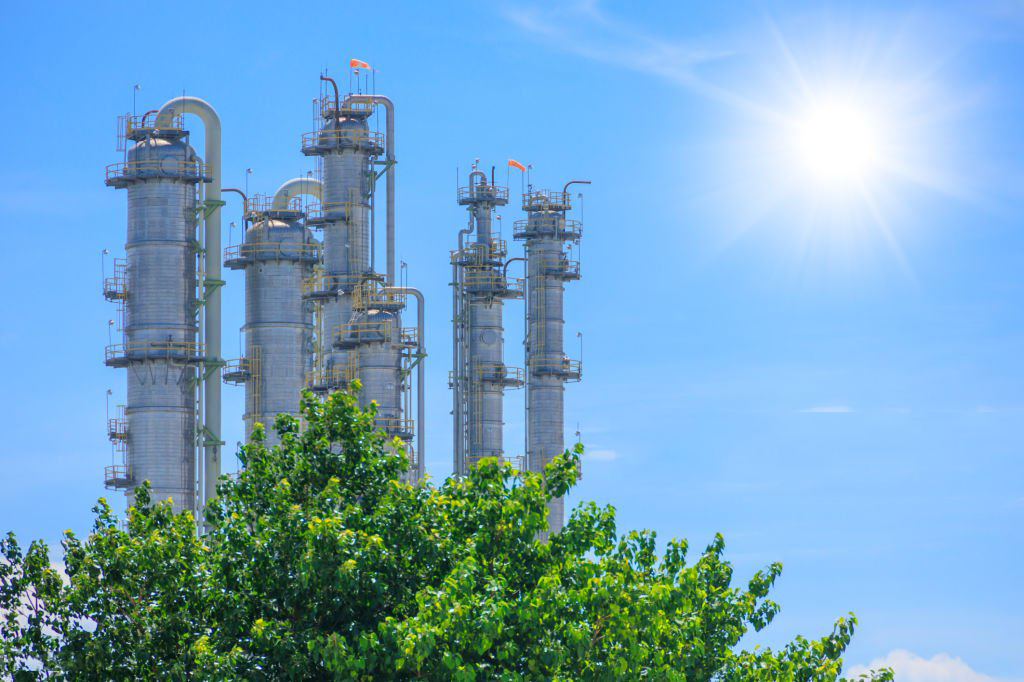
This article may interest you. Field Observations and Evaluations in Mechanical Vapor Recompression (MVR) Evaporator Applications
How Does MVR Evaporator Work?
The basic principle of MVR systems is energy recovery. The system works like this:
- Wastewater evaporates in the evaporator
- The resulting steam is compressed with a high-speed compressor.
- Steam with increased pressure and temperature is given back to the system.
- Used to heat fresh wastewater
Thanks to this cycle:
✔ The need for external steam is eliminated
✔ Fossil fuel dependence is reduced
✔ Energy consumption decreases dramatically
Why MVR + ZLD?
Compared to traditional evaporation systems:
| Parameter | Conventional System (MEE) | MVR Supported System |
| Energy Source | fossil fuel | Green Electricity |
| Operating Cost | High and variable | Low and stable |
| Water Recovery | Middle | Maximum |
| System Structure | Big and complex | Compact |
A properly designed MVR system:
- Provides up to 60% energy savings
- Dramatically shortens ROI time
- Makes OPEX predictable
Today’s Energy Reality
Today, the industry is still largely dependent on oil, natural gas and fossil fuels. But these sources:
- Increasingly costly
- It becomes risky in terms of supply
- Coming under pressure due to carbon regulations
Therefore, MVR technology is not only a treatment solution, but also: It is a process optimization that provides energy independence. Especially today, when energy prices are volatile, systems that recover their own energy now create a competitive advantage.
Correct Engineering Approach in MVR and ZLD Projects
The main determining factor in MVR and ZLD projects is not the name of the equipment, but how accurately the system is adapted to the process. Most of the projects that cause problems in the field are caused by standard designs made without a full understanding of the real wastewater character. For this reason, these types of systems should be handled according to plant data and process conditions, not with a ready-made package logic.
- Wastewater CharacterizationThe first step of a healthy design is the correct analysis of wastewater. Any choice made without a clear understanding of the TDS level, chloride content, organic load, foaming tendency, temperature behavior and crystallization risk will result in a decrease in capacity and operational problems in the future. It is not enough to choose a system just by looking at the flow rate, especially in streams containing high salinity. How the wastewater will behave throughout the process, at what point it will precipitate, and how it will affect the equipment must be evaluated in advance.
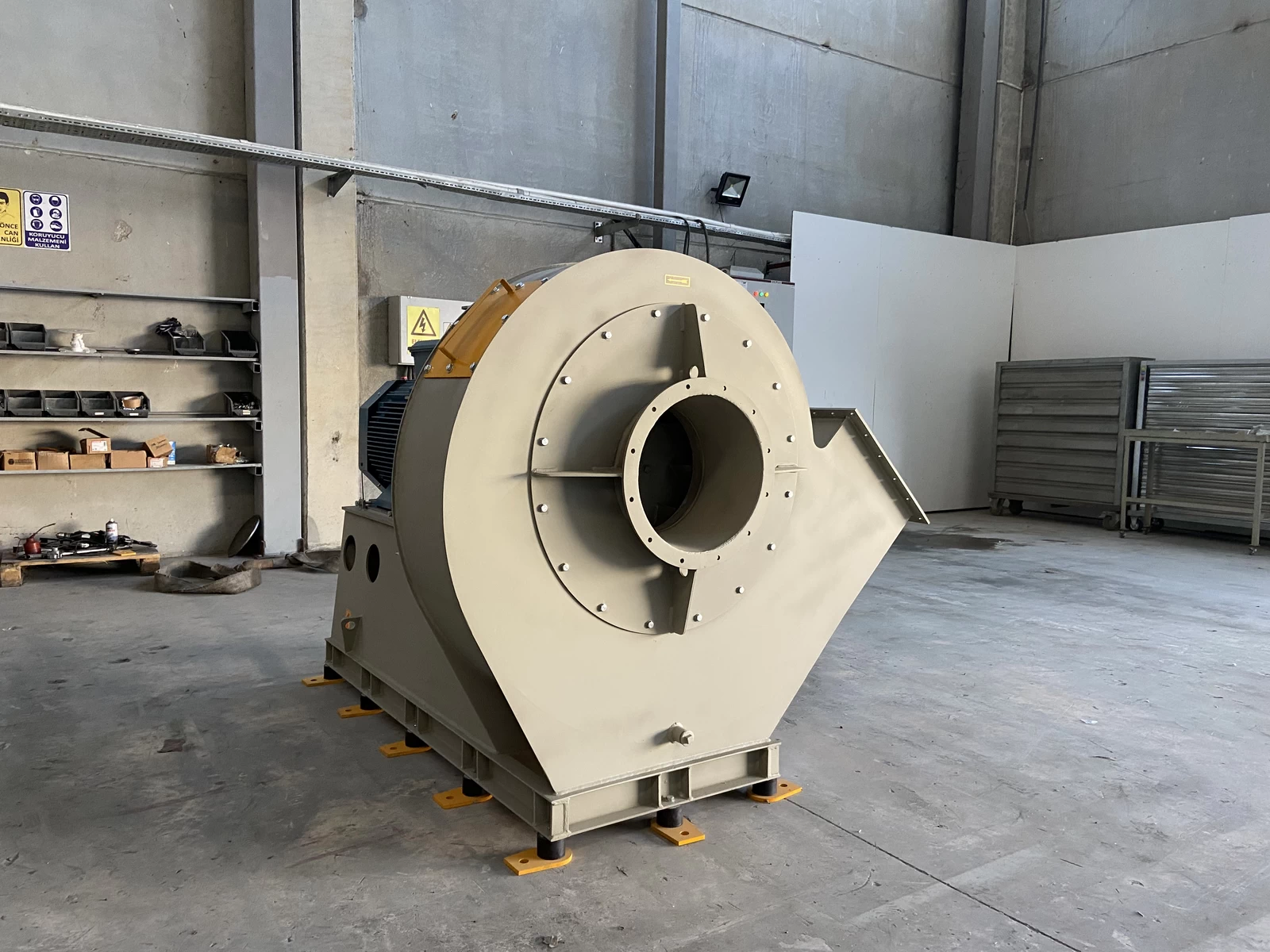
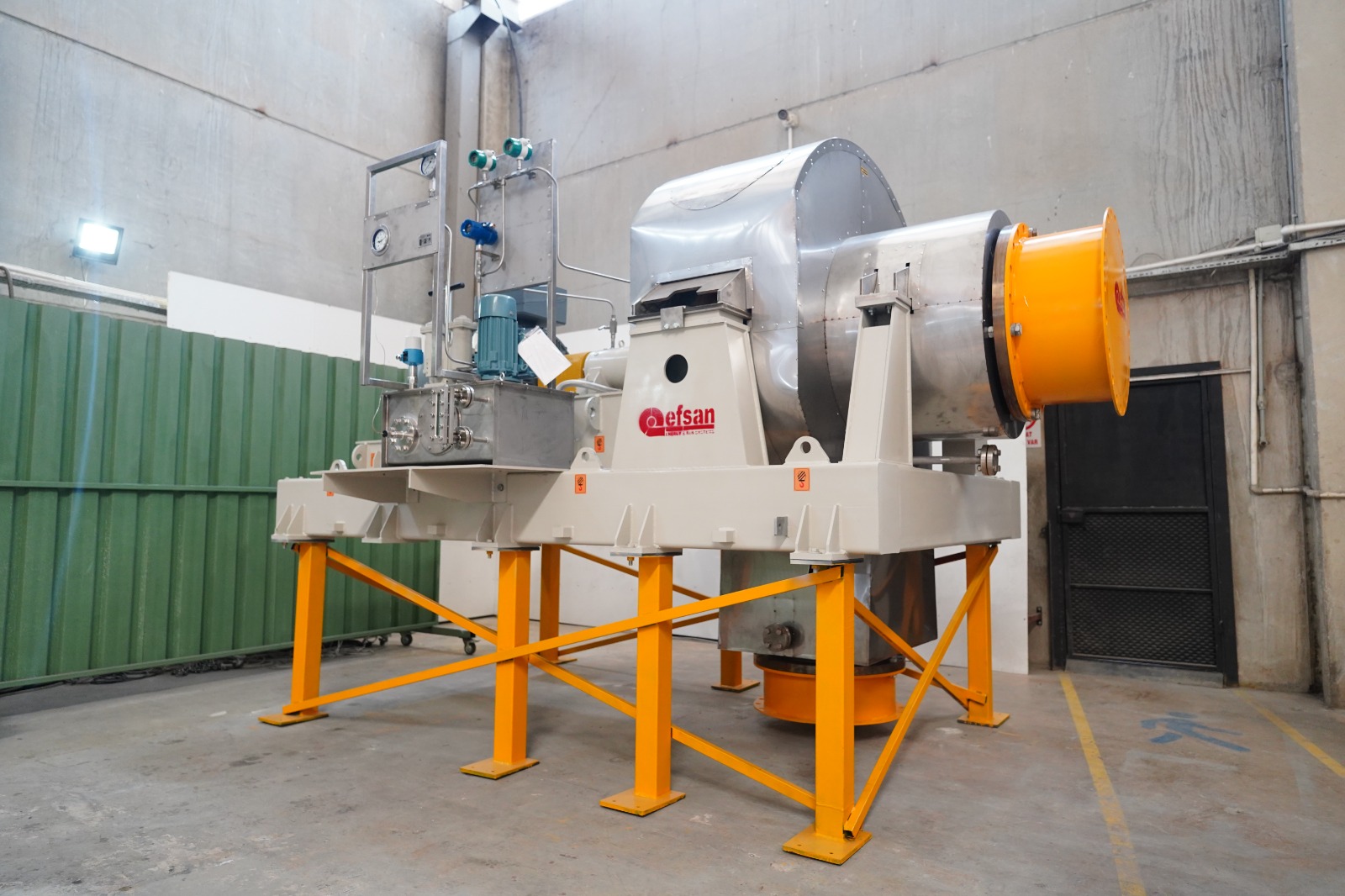
- Compressor Selection, Energy Balance and CAPEX BalanceAt the heart of the MVR system is the compressor. Electricity consumption, vapor recovery efficiency and overall operating balance of the system directly depend on the compressor selection. An incorrectly selected compressor not only increases energy consumption; It also extends the system’s turnaround time. It’s not just low OPEX that matters here. Initial investment cost, i.e. CAPEX, should also be balanced with correct engineering. In the inadequate engineering approach, choices that initially appear to be lower investment later turn into high energy costs, insufficient capacity, downtime risk and revision costs. In a correctly designed system, CAPEX and OPEX are evaluated together; The goal is not just to reduce the initial installation cost but to optimize the total cost of ownership.
- Peak Load and Variable Process ConditionsOne of the most common mistakes made in the field is to size the system based on its average operating value. However, in real operation, flow rate changes, shift loads change, wastewater composition changes. For this reason, the system must operate stably not only under nominal conditions, but also under peak loads and variable conditions. The right approach; The key is to select heat exchanger areas, compressor capacity and auxiliary equipment to handle this variability. Otherwise, the system seems to work in theory, but in practice it creates a bottleneck when production fluctuates.
What’s the Real Decision in Long-Term Productivity?
An MVR investment is not just buying an evaporator. With this investment, the business actually decides on three basic issues: controlling energy costs, increasing water recovery and making production more sustainable. Today, the issues of energy costs and access to water in industry have become much more critical than in previous years. Systems that depend on oil, natural gas and similar external resources carry serious risks in terms of both cost volatility and long-term sustainability. For this reason, solutions that reuse their own energy in the process and regain water have become not only a technical choice but a strategic necessity. A properly designed MVR + ZLD system provides the following contributions to the business:
- Increases water recovery rate
- Reduces steam and energy needs
- Reduces disposal costs
- Facilitates compliance with environmental regulations
- Supports production continuity
- Reduces total operating costs in the long run
Focusing solely on equipment price in the short term is often misleading. The main issue that needs to be evaluated is the total economic contribution that the system will provide over the years.
Conclusion
MVR technology should not be considered as a classical purification equipment. This system is an engineering solution that provides energy recovery, reintroduces water into the process and reduces the company’s dependence on external resources. Therefore, the right question is “which system should we buy?” but “with which process approach and in which engineering direction should we design?” should be. A properly designed MVR and ZLD system doesn’t just manage wastewater; It improves the energy, water and sustainability performance of the business together.
Contact Efsan now to design the MVR system that best suits the chemistry and capacity of your facility, with our expert staff experienced in wastewater management and zero liquid discharge; Meet our engineering solutions that will add permanent value to your production processes.
tags :
More about the sector and our business