Table of Contents
How to choose an exproof fan in mining processes, the risk of firedamp explosion or coal dust flash is one of the biggest engineering problems that make facility managers and occupational safety experts lose sleep. If you want to create a safe atmosphere in underground galleries or aboveground enrichment facilities but encounter the inadequacy of standard equipment, you already know the extent of the danger. At this point, you are in the right place to examine step by step how to choose ventilation systems designed in accordance with the explosive gas dynamics in the environment and how to meet international legal standards.
The ventilation system in a mining operation not only provides fresh air to employees; It also serves as the life support unit of the production area. Evacuation of methane gas, carbon monoxide and flammable dust particles accumulated in closed environments is an operation that must be carried out with zero error tolerance. It is vital that the fans used in this critical task have special equipment that will not ignite the explosive atmosphere in the environment.
Why is the Use of Exproof Fans in Mines a Legal and Technical Obligation?
The use of ex-proof fans in mines is a legal obligation to prevent methane gas and flammable dust from igniting. These fans prevent possible firedamp explosions by isolating sparks that may arise from engine and wing friction.
According to industry standards, ventilation processes in underground mining should be designed to keep the explosive gas concentration well below the lower explosive limit (LEL). Electric arcs, even at microscopic levels, may occur in the asynchronous motors, terminal boxes or windings of standard industrial fans during operation. These small arcs, which are completely harmless in a normal factory environment, play the role of a direct ignition source in a coal mine where methane gas is dense.
Exproof (Explosion Proof) technology, contrary to the perception created by its name, is designed to prevent an explosion, spark or overheating that may occur within the fan itself, from contacting the explosive atmosphere outside, rather than to withstand an external explosion. Thanks to its specially cast thick armored body structures, flame-tight gaps (flamepaths) and spark-proof wing designs, the system continues to operate safely even in the moments after tunneling or blasting, when the gas density in the environment peaks.
This situation is not only for underground mines; It is also valid for above-ground crusher-screening facilities, coal storage silos, belt conveyor transfer points and chemical separation facilities. Fine dust accumulated here, when combined with suitable oxygen and an ignition source, can cause “dust explosions” that are at least as destructive as gas explosions.
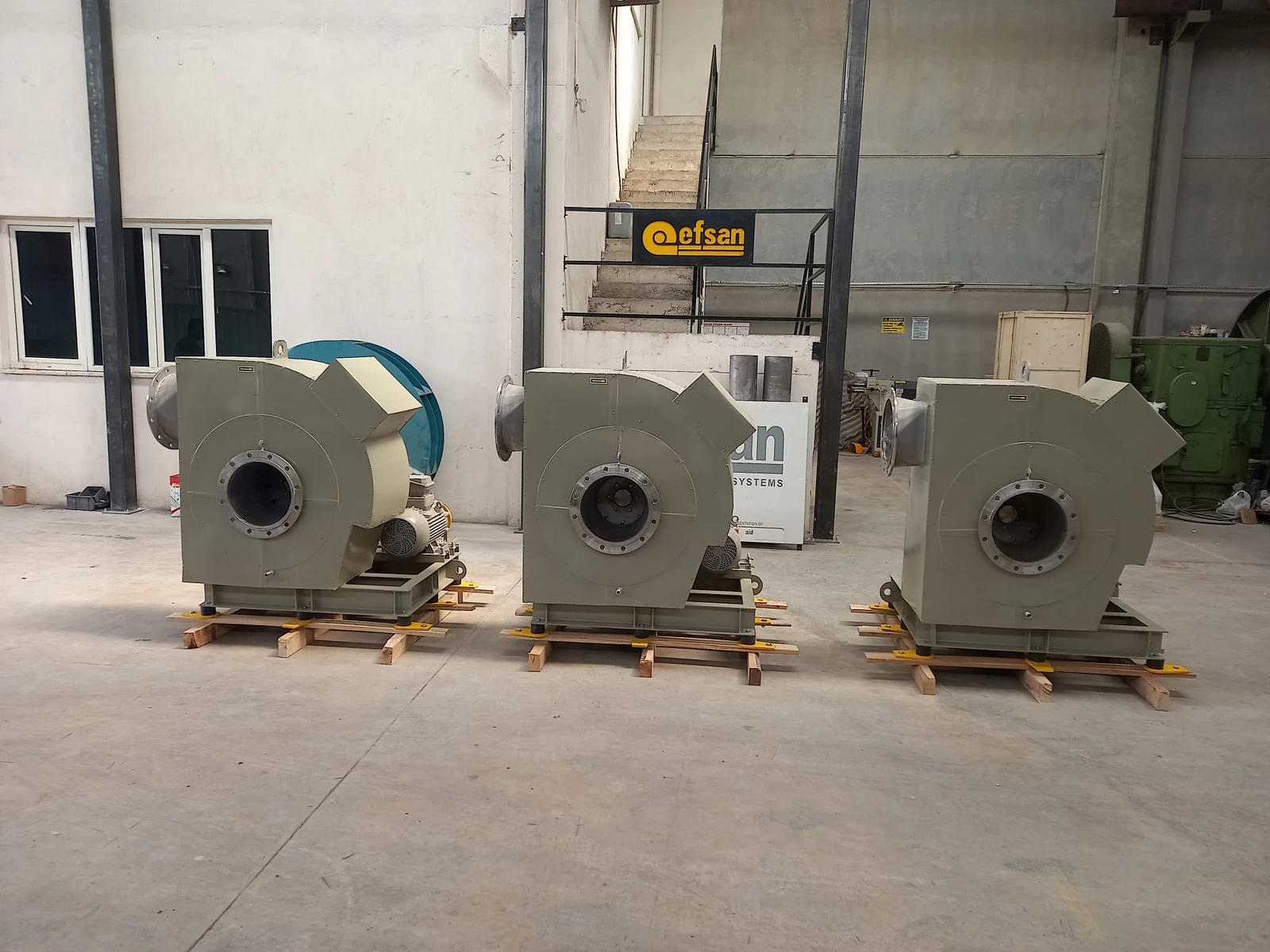
This article may interest you. Comprehensive Exproof Fan Selection, ATEX Standards and Application Guide
ATEX Standards and How Are Zone Classifications Made in Mines?
ATEX certification is the European Union’s standard for explosive atmosphere equipment. ATEX equipment is divided into two basic groups: Group I (Underground Parts of Mines) and Group II (Possible places where danger may occur due to explosive atmospheres).
Group I equipment is divided into two categories, M1 and M2, according to the protection level class.
Group II equipment is classified into categories as Zone 0, Zone 1, Zone 2 (Gas) and Zone 20, 21, 22 (Dust) according to the frequency of presence of explosive gas or dust.
The most common mistake in practice is to order fans with the same protection class and the same cost for the entire site, based only on a general risk analysis of the facility. However, the depth of the mine galleries, the distance to the excavation mirrors (production points), gas outlet locations and dust accumulation areas create completely different risk profiles. Not choosing the correct protection class either endangers the facility due to insufficient security or increases the investment costs unreasonably because a higher protection class is selected.
For decision makers and purchasing engineers, we can simplify the general risk zones in mine sites according to gas and dust dynamics as follows:
| Explosive Atmosphere Class (Gas/Vapor) | Explosive Atmosphere Class (Dust) | Condition Description | Risk Level | Recommended Equipment Requirement (ATEX Category) |
| Zone 0 | Zone 20 | Areas where an explosive mixture is continuously present, or present for long periods or frequently. | Constant Hazard | Category 1 (Highest level of isolation and protection) |
| Zone 1 | Zone 21 | Areas where an explosive mixture is likely to occur occasionally in normal operation. | Potential Hazard | Category 2 (High-security ex-proof equipment) |
| Zone 2 | Zone 22 | Areas where an explosive mixture is not likely to occur in normal operation but, if it does, will persist for a short period only (due to faults or leaks). | Low Hazard | Category 3 (Standard ex-proof protection) |
In the mining sector, under ATEX directives, equipment is generally divided into Group I (Underground mines – Risk of firedamp gas) and Group II (Surface industries – Other explosive gases). If you are operating an underground coal mine, the ex-proof fan must definitely meet Group I standards and the associated M1 or M2 category requirements in the mining processes you choose.
It is of great importance to get expert engineering support during the project planning phase to clarify the ATEX protection class you need, to create your field-based risk map and to ensure full security by avoiding unnecessary costs. Working with an experienced team will speed up the process.
Correct Fan Selection Criteria in Mine Ventilation Systems
When selecting an ex-proof fan in mining processes, air flow rate, static pressure losses inside the tunnel, ambient temperature and Zone class are taken into consideration. The equipment must have an approved ATEX certificate and the propellers must be manufactured from non-sparking materials.
When choosing a main or secondary ventilation fan for a mine gallery, it is insufficient to focus only on the flow rate (m³/h) values on paper. As we have seen in practice for years, the constantly advancing and changing structure of the mining area causes the initially calculated pressure losses to change completely within a few months. This dynamic structure requires a flexible, durable and accurately calculated engineering approach.
In order to establish a long-lasting, efficient and efficient ventilation infrastructure that is fully compliant with occupational safety rules, you should follow the following technical steps during the purchasing and project planning processes:
- Dynamic Flow and Pressure Calculation: The required amount of fresh air should be calculated by taking into account the total length of the gallery, tunnel diameter, the number of personnel working inside at the same time and the emission values of diesel vehicles. The friction-induced pressure loss (Pascals) that will occur along the line where the fan will push or suck (via flexible ventilation pipes called vent tubes) must be determined correctly, and the characteristic curve of the fan must be selected in accordance with this operating point.
- Non-Sparking Material Compatibility: Blades (propellers), which are the moving parts of the fan, must not produce sparks if they rub against the body. Therefore, instead of standard steel, special aluminum alloys, brass coatings or industrial composite materials with antistatic properties should be used.
- Engine Insulation and Thermal Protection: The engine block must be fully sealed (at IP65 or IP66 level) against dense mineral dust in the environment and high humidity caused by groundwater. In addition, thanks to the PTC thermistors integrated into the motor windings, if the motor exceeds the specified temperature class (e.g. T4 – maximum 135°C surface temperature) as a result of excessive strain, it should be detected immediately and the system should be stopped automatically.
- Structural Strength and Aerodynamics: Mine conditions are harsh. Stones bouncing off pneumatic drills, shocks and high humidity quickly scrap fans with weak casings. The outer body of the fan must be manufactured from steel sheet at heavy-duty standards and must be protected against corrosion with hot-dip galvanization or special epoxy paints.
- Axial and Radial Design Preference: While large-diameter axial fans that can pump huge volumes of air are generally preferred in main ventilation shafts, radial (centrifugal) ex-proof fans come to the fore in long and narrow tunnels where high pressure must be overcome, in local dust extraction systems or in the filtering units of enrichment facilities.
Secondary Ventilation and Special Solutions in Underground Galleries
In mines, ex-proof secondary ventilation fans are used for excavation mirrors and blind tunnels where the main ventilation cannot reach. These fans work by pushing clean air to the extreme points or sucking dirty air through flexible vent tubes.
Although main ventilation systems provide the general clean air circulation of the mine, they cannot deliver sufficient air to the extreme points (excavation mirrors) where production takes place. Especially in these “blind” areas, methane gas accumulation can instantly reach very dangerous levels. This is where auxiliary ventilation fans come into play.
According to generally accepted practices, ex-proof fans used in secondary ventilation systems are generally selected from models with silencers and reversible operation. The bi-directional engine structure ensures that toxic gases are removed from personnel by reversing the direction of air flow in case of an emergency fire or intense gas leak. In addition, these fans have special chassis designs with skids or wheels so that they can be easily transported in narrow mine galleries, which significantly increases operational speed.
Critical Errors in Installation, Commissioning and Periodic Maintenance Processes
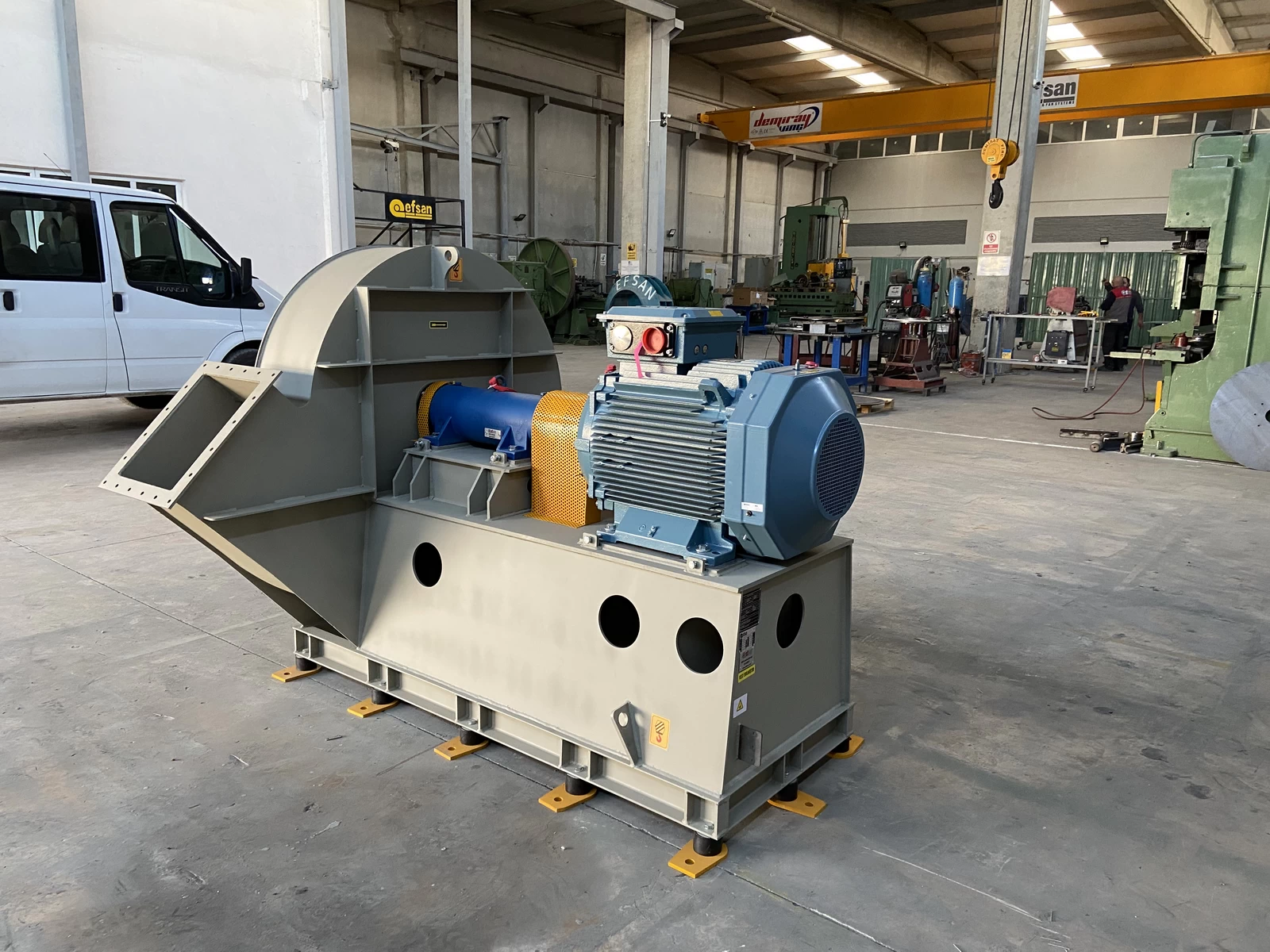
The installation of ex-proof fans should be done with complete grounding standards and special ex-proof fittings should be used. During maintenance, engine insulation resistance, body sealing, corrosion status and blade balance settings should be checked periodically by authorized technicians.
Just because a piece of equipment leaves the factory with an ATEX certificate from the world’s most prestigious institutions does not mean that it will remain explosion-proof in the field for life. A common situation in the field is that a perfect ex-proof fan, purchased at high cost, is connected to a standard cable gland by an unconscious electrician, destroying all its sealing properties within seconds.
Vital details that must be taken into consideration during the assembly and operation stages to ensure that the ex-proof integrity is not compromised are as follows:
- Ex-Proof Gland and Cabling: Power cables going to the fan must be armored and certified ex-proof cable glands (glands) must be used at the entry points to the terminal box. Otherwise, methane gas leaking into the gland gap may come into contact with a momentary arc in the terminal box.
- Perfect Grounding: In order to discharge any static electricity accumulation that may occur in the system before it turns into a spark, the fan body, motor and steel ventilation ducts, if used, must be connected to equipotential grounding.
- Vibration Control: In heavy mining conditions, especially wet coal or stone dust adhering to the blades of radial fans causes a serious weight imbalance (unbalance) over time. This situation causes overheating and mechanical friction in the bearings. It is essential to constantly monitor the system with vibration sensors and use anti-vibration wedges.
- Temperature and Clearance Control: During maintenance processes, it should be measured millimetrically whether the working clearance between the propeller blade tips and the fan outer body remains within the standards. Chassis deformations that occur over time may close this gap and cause metal-to-metal friction.
The Effect of Not Making the Right Choice on Facility Costs and Productivity
In mining operations, the “cheap solution” is often the most expensive. Choosing an ex-proof fan that falls short of the process requirements, has questionable certifications, or is not suitable for the chemical corrosion of the environment may seem to relieve the purchasing budget in the short term, but imposes huge costs on the business in the medium and long term.
Cessation of ventilation due to fan failure requires immediate stopping of the entire underground operation in accordance with mine occupational safety laws. The cost of even just a few hours of production downtime is often much higher than the purchase cost of a quality fan. In addition, inefficient operation of the fan significantly increases electricity consumption. In these systems, which operate uninterruptedly 24/7, a highly efficient fan designed aerodynamically correctly can amortize itself with energy savings in just one year.
Professional Step for Results and Safe Production
In mining processes, ex-proof fan systems are not a luxury, an ordinary fixture or a simple comfort need; It is a critical security infrastructure located at the heart of the production line, directly protecting the lives of personnel. Completely eliminating the risk of catastrophic explosions that methane gas and coal dust can create at any time and fully complying with heavy mining regulations and international inspections is only possible with equipment selected with the right engineering approach.
What you need isn’t just a spinning propeller; It is a certified, high-strength, guaranteed safety shield that fully adapts to the flow and pressure values of your facility. When installing this system, it is the most rational engineering decision to start with a reliable manufacturer who has tested the equipment’s suitability for the harsh working dynamics underground and will stand by you from the projecting stage to commissioning.
Contact Efsan experts immediately to reduce the risk of firedamp in your facility to zero, to examine our high-performance ex-proof fan solutions produced in international ATEX standards that fully adapt to the harsh conditions of your mine site, and to request a free engineering estimate specific to your project.
tags :
More about the sector and our business