Table of Contents
What is an MVR Blower for a ZLD Plant?
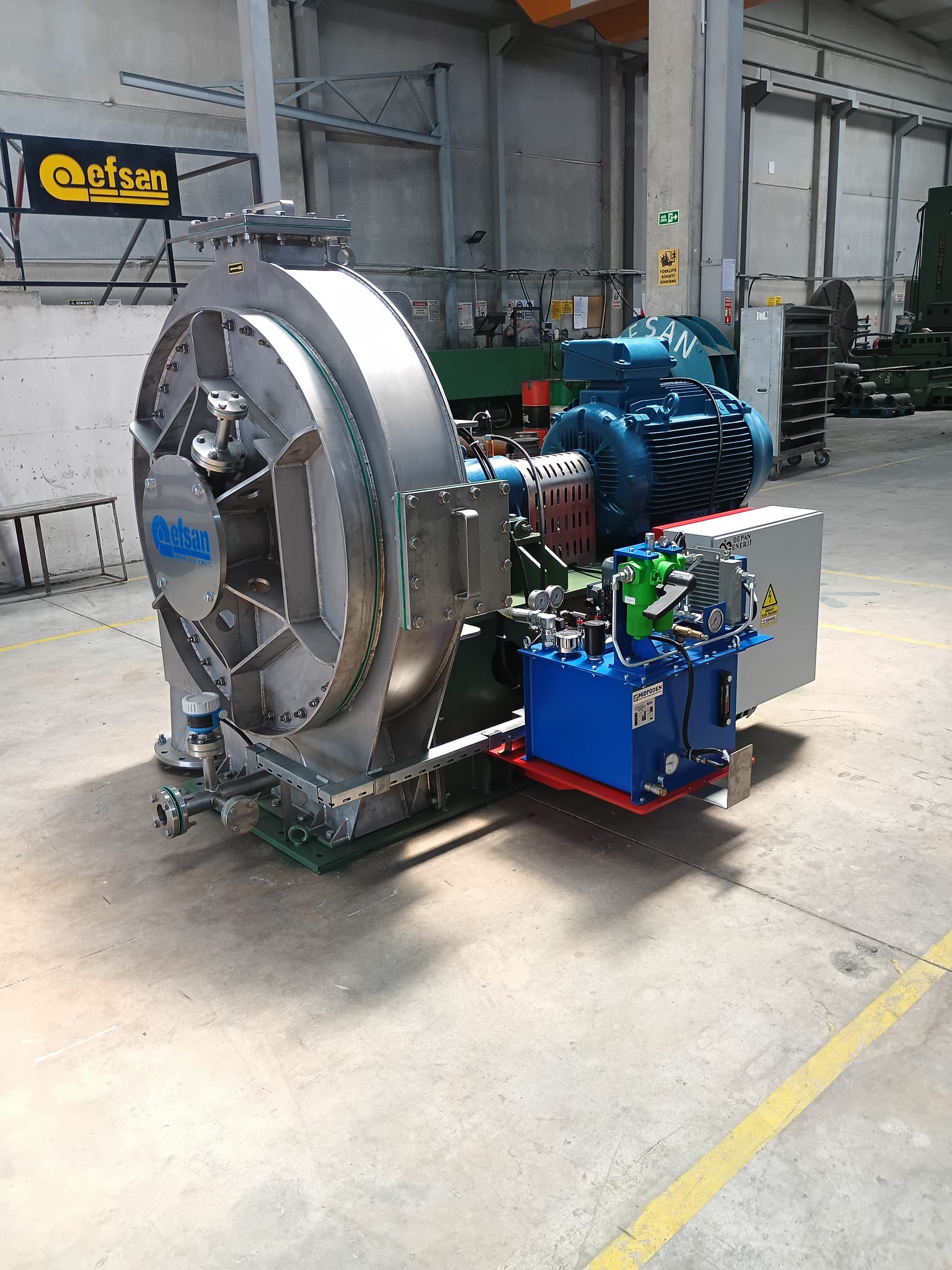
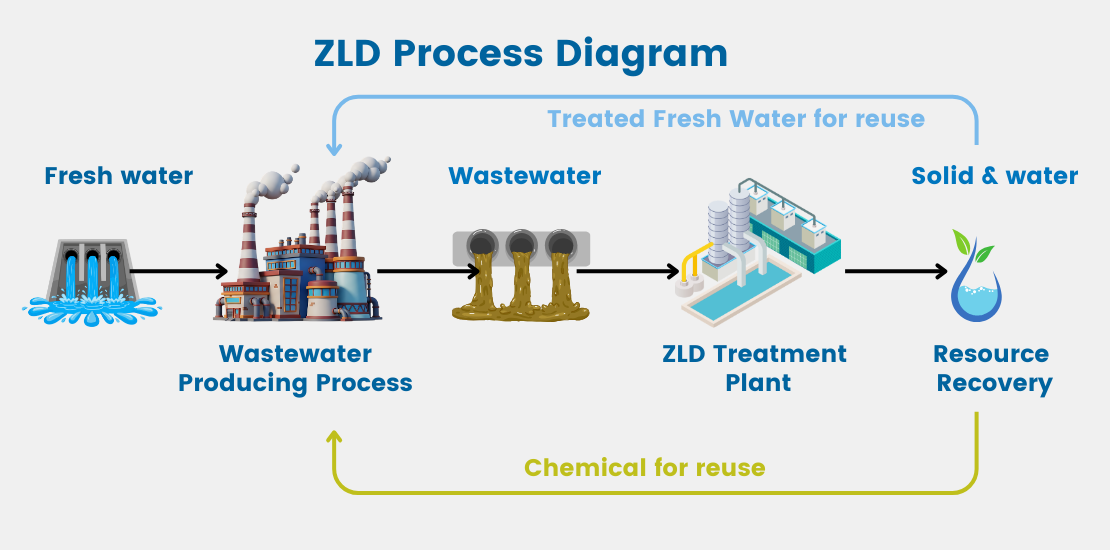
An MVR (Mechanical Vapor Recompression) blower is the core mechanical engine of a Zero Liquid Discharge (ZLD) plant. It compresses secondary steam generated during evaporation, increasing its temperature and pressure so it can be reused as the heating medium. The main benefit is a dramatic reduction in operational costs (OPEX)—often saving up to 70% in energy compared to traditional steam ejectors. When selecting an MVR blower for a ZLD plant, crucial criteria include the vapor handling capacity (kg/h), pressure ratio, compression efficiency, operating temperature range, and overall system integration requirements. Proper blower selection is essential for achieving reliable operation and minimizing energy consumption in the evaporation process.
As environmental regulations become stricter worldwide, Zero Liquid Discharge (ZLD) systems are increasingly adopted across many industries. At the core of an energy-efficient ZLD plant is the Mechanical Vapor Recompression (MVR) blower. Proper blower selection directly impacts energy consumption, system reliability, and overall operating costs. Understanding the key selection criteria is essential for achieving long-term process efficiency.
Core Function of an MVR Blower in a ZLD Plant
An MVR blower operates as the mechanical heart of an evaporator system, continuously recycling low-grade secondary vapor by compressing it into high-energy heating steam.
- Maximum Energy Recovery: Captures the latent heat of vaporization that would otherwise be wasted into the atmosphere or cooling towers.
- Live Steam Elimination: Drastically reduces, and often eliminates, the need for fresh boiler steam during continuous steady-state operation.
Mini Example: Instead of burning expensive fresh coal to generate live steam for a dairy plant’s wastewater evaporator, MVR blower physically compresses the existing vapor. This process requires only a small fraction of electrical energy to maintain the continuous boiling process, effectively acting as an open-cycle heat pump.
MVR Core Functions vs. Traditional Evaporation
| Feature | Traditional Evaporator (MEE) | MVR Blower System |
| Primary Heat Source | Live boiler steam (Continuous) | Recycled compressed vapor |
| Cooling Water Demand | Extremely High | Practically Zero |
| Plant Footprint | Process dependent | Lower |
3 Steps to Evaluate Your MVR Potential:
- Audit your current daily live steam consumption and associated boiler fuel costs.
- Determine the exact target evaporation rate (kg/hr) required by your effluent volume.
- Calculate the electrical power replacement cost based on your local grid tariffs.
Pre-Installation Operational Checklist:
- [ ] Verify the inlet vapor temperature and mass flow rate.
- [ ] Confirm electrical grid stability and transformer capacity.
- [ ] Check the physical footprint available near the evaporator.
- [ ] Assess vapor density parameters and potential entrainment.
This article might interest you. MVR and ZLD Systems: Zero Discharge and Maximum Energy Efficiency in Industry
Maximizing ROI: Secondary Revenue from ZLD Byproducts
Beyond pure water recovery, advanced ZLD systems powered by MVR blowers crystallize liquid waste into valuable solid byproducts, turning heavy disposal costs into pure profit margins.
- Salt Monetization: Recover and sell high-purity industrial salts like Sodium Sulfate or Sodium Chloride.
- Zero Disposal Fees: Eliminate exorbitant hazardous waste transport and landfill fees.
- Circular Economy: Boost your corporate sustainability metrics while simultaneously generating a new cash stream.
Industry Myth: “All ZLD solid waste is toxic and costly to dump.”
Fact: With precise fractional crystallization powered by stable MVR compression, specific high-purity salts can be isolated and sold directly to secondary manufacturing markets.
[Analyze Your Effluent ROI] | [View Crystallization Systems] | [Contact Efsan Makina]
Roots vs. Centrifugal MVR Blowers: Which is Better?
Selecting the right compressor architecture—Roots or Centrifugal—depends entirely on your ZLD plant’s evaporation capacity, required pressure rise, and effluent characteristics.
- Roots Blowers (Positive Displacement): Ideal for smaller to medium flow capacities that require high-pressure differentials and must overcome high boiling point elevations.
- Centrifugal Fans (Dynamic Compression): Best suited for massive vapor volume flows requiring lower pressure lifts, offering smooth, high-efficiency continuous operation.
- Hybrid Multistage Systems: Sometimes deployed in complex, multi-stage ZLD evaporators where both high initial volume and subsequent extreme pressure lifts are required.
Blower Type Performance Comparison
| Engineering Criteria | Roots Blower | Centrifugal Blower |
| Vapor Flow Capacity | Low to Medium (< 5,000 kg/h) | Medium to Very High (> 5,000 kg/h) |
| Pressure Rise Capability | Very High (Steep curve) | Low to Moderate (Flat curve) |
| Sensitivity to Liquid Droplets | Moderate to High | Very High (Requires strict demisting) |
3 Steps to Determine the Right Blower:
- Analyze the required $\Delta T$ (Temperature rise) to overcome the Boiling Point Elevation (BPE) of your specific liquid.
- Match your total evaporation capacity with the aerodynamic flow maps of both compressor types.
- Evaluate total lifecycle maintenance costs, considering the frequency of oil changes versus complex bearing replacements.
Blower Selection Engineering Checklist:
- [ ] Calculate the total boiling point elevation (BPE) at maximum concentration.
- [ ] Determine the exact volumetric flow rate under operating vacuum/pressure.
- [ ] Choose the motor sizing based on maximum potential load conditions, not just nominal.
- [ ] Select appropriate shaft sealing technology (mechanical vs. labyrinth) to prevent vacuum leaks.
- [ ] Verify noise attenuation needs and specify acoustic enclosures if required.
Industry Myth: “Centrifugal blowers are modern and therefore always superior to older Roots designs for ZLD.”
Fact: Technology age is irrelevant here. Roots blowers remain vastly superior and structurally safer for high boiling point elevation effluents due to their positive displacement nature, which guarantees pressure delivery regardless of system fluctuations.
[Talk to Our Applications Engineer] | [View Efsan Roots Blower Range] | [Explore Centrifugal Options]
OPEX Savings: Efsan MVR Technology in Sugar & Dairy Industries
Replacing conventional evaporators with advanced MVR technology drastically cuts OPEX. By expertly recovering latent heat, sugar and dairy plants transform wastewater liabilities into highly profitable operational assets.
- Zero Live Steam Dependency: Eliminates the need for expensive boiler fuel after the initial system startup phase.
- Minimal Cooling Water: Completely bypasses the massive cooling tower infrastructure required by multi-effect setups.
- Carbon Credit Compliance: Significantly lowers the plant’s overall carbon footprint, aligning with strict environmental mandates.
OPEX Comparison (Estimated per 1,000 kg Evaporation)
3 Steps to Calculate Your Financial Return:
- Audit your current daily operating expenses, strictly separating steam, electricity, and cooling water.
- Project the electrical load required for the specific Efsan MVR compressor size suitable for your flow rate.
- Calculate the payback period by dividing the initial capital expenditure by the monthly OPEX savings.
OPEX Optimization Checklist:
- [ ] Install Variable Frequency Drives (VFD) for precise motor speed control.
- [ ] Optimize pre-heating efficiency using recovered sensible heat from condensate.
- [ ] Ensure zero steam leaks in piping to maintain maximum system vacuum.
- [ ] Calibrate pressure and temperature sensors monthly for optimal automation.
- [ ] Train operators extensively on energy-efficient startup and shutdown sequences.
Industry Myth: “MVR systems carry such a high capital cost that they are too expensive for seasonal industries like sugar manufacturing.”
Fact: The operational ROI period is so remarkably short (often 8 to 14 months) that even running the plant for just 6 months a year yields significantly higher profitability over a standard 5-year lifecycle.
[Calculate Your ROI] | [Read Sugar Industry Case Study] | [Get MVR System Pricing]
Pre-Purchase Selection & Maintenance Checklist
An MVR blower is a major capital investment. Partnering with a reliable vendor and enforcing strict preventative maintenance guarantees decades of uninterrupted zero liquid discharge operation.
- Vendor Engineering Expertise: Requires a manufacturer with deep, proven knowledge of thermodynamics.
- Preventative Protocols: Regular vibration monitoring and oil condition analysis prevent catastrophic, unexpected downtime.
- Local Spares Availability: Readily available precision bearings and mechanical seals ensure continuous factory production.
Maintenance Schedule & Responsibility Matrix
Maintenance Task Recommended Frequency
Vibration & Temp Analysis Continuous / Weekly
Lubrication & Oil Check Monthly
Seal Replacement Annually (or per running hours)
3 Steps to Ensure Equipment Longevity:
- Review the manufacturer’s verifiable track record and case studies in similar heavy-duty industries.
- Establish a clear, rigid preventative maintenance schedule aligned with the OEM’s technical manual.
- Stock critical spare parts (bearings, seals, gaskets) on-site from the very first day of commissioning.
Pre-Purchase Vendor Evaluation Checklist:
- [ ] Does the manufacturer provide strict thermodynamic performance guarantees?
- [ ] Are they highly experienced in processing specific industrial ZLD streams?
- [ ] Do they offer comprehensive on-site commissioning and performance testing?
- [ ] Is hands-on operational training provided for your local plant engineers?
Industry Myth: “Modern MVR blowers are fully automated and basically run themselves; no active maintenance is needed.”
Fact: These are high-speed, heavy-duty rotating machines handling extreme temperatures and pressures. Neglecting basic bearing lubrication or vibration checks will inevitably destroy the equipment.
[Book a Maintenance Consultation] | [View Spare Parts Catalog] | [Contact Efsan Support]
Frequently Asked Questions (FAQ)
The ongoing maintenance cost is surprisingly negligible compared to the massive OPEX savings. Annual maintenance primarily involves changing specialized lubricating oils, replacing air filters, and periodically renewing mechanical seals and bearings. Working with Efsan Makina ensures these standard spare parts are affordable and quickly available.
Both industries handle heat-sensitive effluents and require massive evaporation volumes. MVR technology provides a very gentle, controlled temperature difference (low Delta T) across the heat exchanger. This prevents the thermal degradation of the product (like whey in dairy) and avoids severe fouling or scaling on the evaporator tubes.
For most industrial applications , including sugar refineries and dairy plants, replacing a Multiple Effect Evaporator (MEE) with an MVR system yields a Return on Investment (ROI) within 8 to 14 months. This rapid payback is driven by the total elimination of continuous live boiler steam and a massive reduction in cooling tower water consumption.
tags :
More about the sector and our business