At a time when energy costs in industrial facilities directly threaten operating profitability, heat recovery systems are no longer a vision but an obligation. MVR (Mechanical Vapor Compression) technology, which offers proven energy savings in many different sectors, from food to chemistry, from textiles to pharmaceuticals, enables plants to reduce primary energy consumption by 60% to 80%. In this guide, changing the anatomy of industrial processes MVR application areas we examine and the engineering infrastructure that pioneered these systems.
What Exactly is MVR (Mechanical Vapor Compression)?
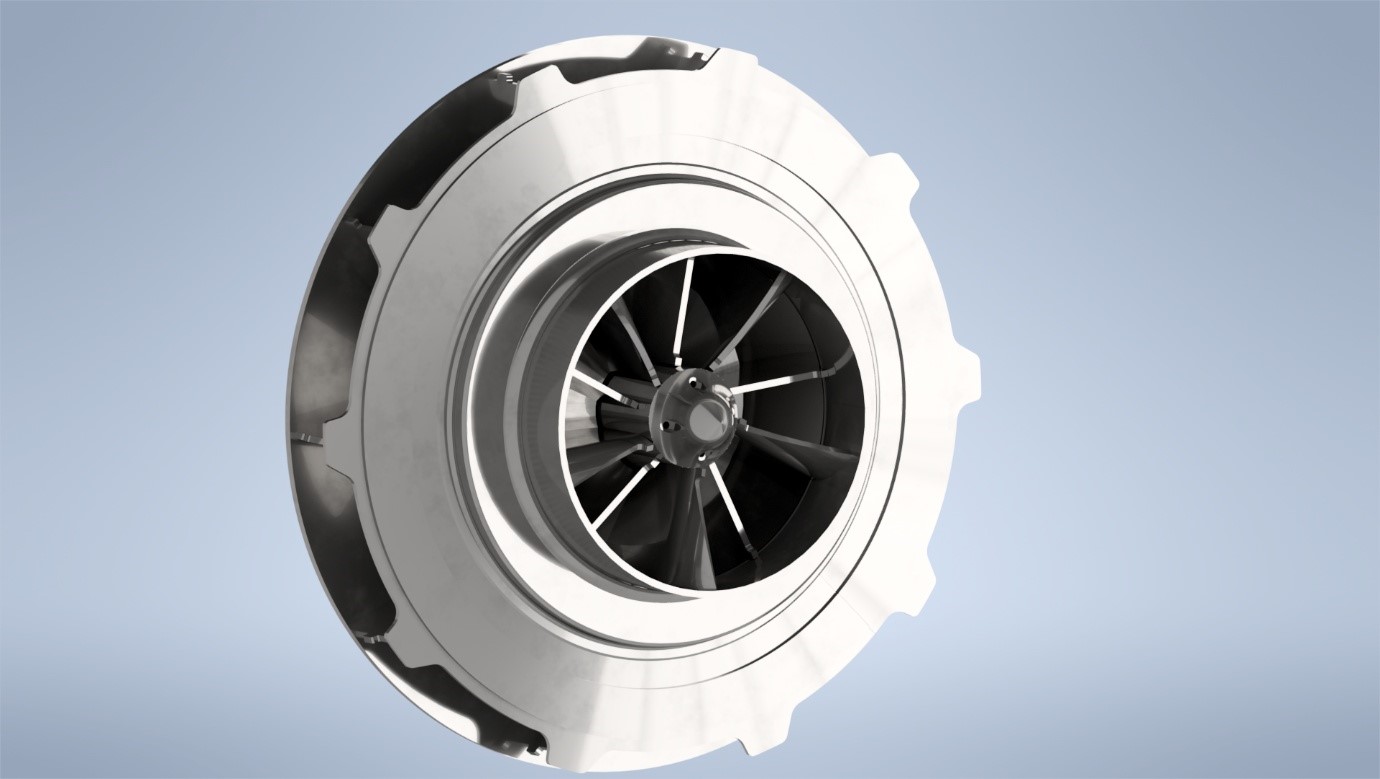
MVR (Mechanical Vapor Compression) is a technological process in which the waste vapor released in industrial evaporation processes is compressed with the help of an industrial bagophane or blower and its heat and pressure are increased and fed back.
MVR technology has the ability to be applied in any industrial process requiring evaporation distillation and crystallization. In classical evaporator (evaporator) systems, the steam wasted by expelling is collected with MVR and returned to the process by applying mechanical work. According to generally accepted practices, this system resumes the process with only the electrical energy required for the MVR, almost eliminating the dependence on external boilers.
This article may interest you. What is a MVR Blower? Working Principle, Application Areas
What are the MVR Application Areas?
MVR application areas; We tried to summarize many specific removers, including food and beverage, chemical and petrochemical, wastewater treatment (ZLD), paper and wood drying, textile and surface treatment, as well as pharmaceuticals and biotechnology, with 6 main clusters
A common occurrence in the field is when engineers in different industries wonder if there is an MVR solution suitable for their fluid. MVR their systems are used in a very wide range under some main cluster:
Food, Beverage and Biological Products
The most common MVR application area; concentration, pasteurization and evaporation processes. Milk, whey, sugar, juice and bioethanol production lead this cluster.
- It creates the possibility of low-temperature processing by maintaining product quality in juice concentration.
- Provides gentle concentration in heat-sensitive products such as gelatin and pectin.
- Energy savings of up to 70% ’ are achieved in milk concentration compared to conventional steam systems. In fact, steam consumption decreased by 75% and large energy savings were achieved on an annual basis after the MVR system was installed in a model milk processing plant.
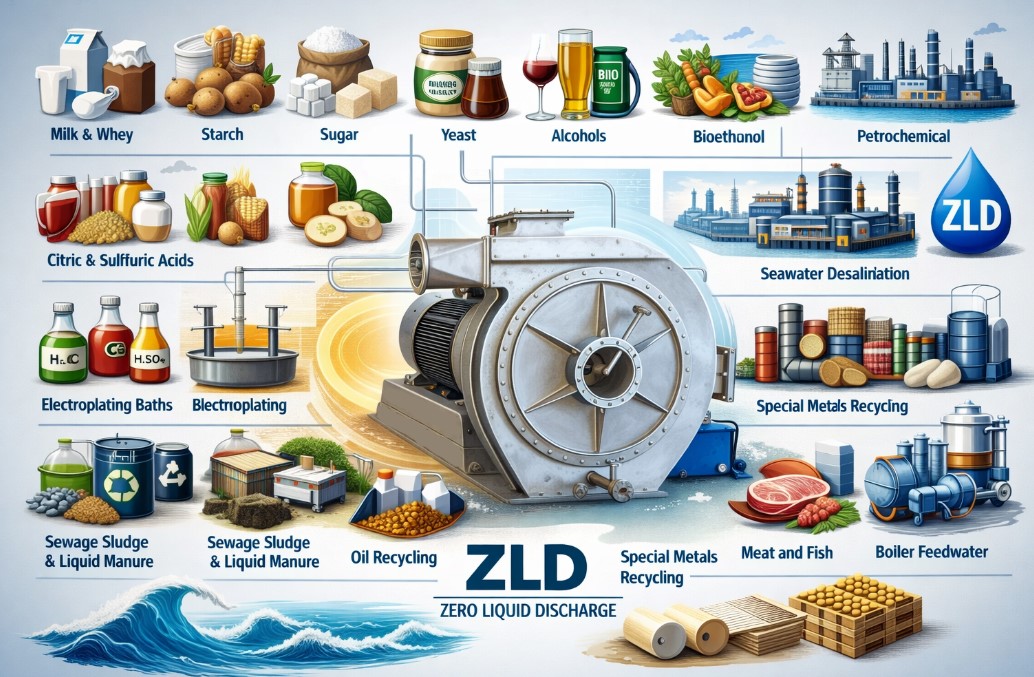
Water, Environment and Zero Liquid Discharge (ZLD) Systems
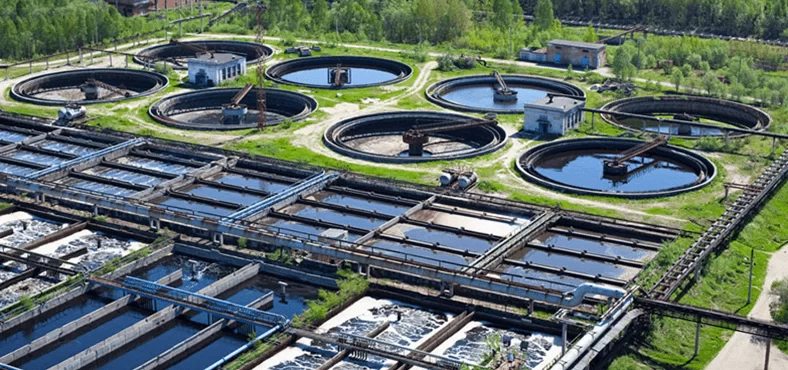
MVR-based ZLD (Zero Liquid Discharge) systems are accepted as the most powerful technical solution in environmental permitting processes. It plays a critical role in wastewater treatment, seawater treatment and garbage leachate management.
- ZLD applications are becoming increasingly mandatory under the EU’s Industrial Emissions Directive (IED). MVR solves this fit at the lowest operating cost.
- ZLD systems reduce wastewater to zero, ensuring full compliance with discharge bans.
- It offers dramatic energy savings compared to traditional thermal methods in seawater purification.
Textile, Paint and Surface Treatment
It creates a great competitive advantage, especially in the textile industry, where Turkey is strong. The concentration of dyestuffs in textile wastewater and water recycling is done by this process. More importantly, Turkey’s textile sector is covered by the EU’s CBAM (Carbon Border Regulation Mechanism), which will come into force from 2026; MVR investment is strategic as it simultaneously reduces both the carbon footprint and the cost of production.
Pharmaceuticals and Biotechnology
It is one of the most niche and highest value-creating sectors. In the pharmaceutical industry, MVR systems are supplied with special designs that comply with FDA and EMA regulations. It provides low-temperature processing by preserving heat-sensitive molecules at API concentration. The return on investment (ROI) period in this sector is generally between 2-3 years and the shortest in the industry.
Paper Drying Processes with Chemistry & Petrochemistry
In the chemical industry, MVR solutions that are resistant to high temperature and acidic/basic environments are in operation in processes such as sulfuric acid and PTA. Safe operation is ensured with special material options that are resistant to corrosive environments at acid concentration. In the paper and cellulose sector, on the other hand, MVR has become the priority technology of choice under CO₂ reduction commitments by major paper producers, especially in Europe.
Sectoral Energy Savings Summary Table
The table below shows the sectors in which MVR systems are implemented and the typical energy saving rates:
| Cluster | Major Application | Typical Savings |
| Food, Beverage & Biological | Milk, sugar, juice, alcohol, gelatin | 60%–80 |
| Paper, Wood & Drying | Drying paper, cellulose, pellets, wood | 60%–75 |
| Chemistry & Petrochemistry | Acid concentration, PTA, solvent, PA-6 | 55–75% |
| Pharmaceuticals & Biotechnology | Pharma, crystallization, API, lactic acid | 55–70% |
| Water, Environment & ZLD | Wastewater, ZLD, seawater treatment | 50%–70 |
| Textile & Surface Treatment | Cotton painting, metal plating, cement | 45–65% |
Efsan: The Engineering Power at the Heart of MVR Systems
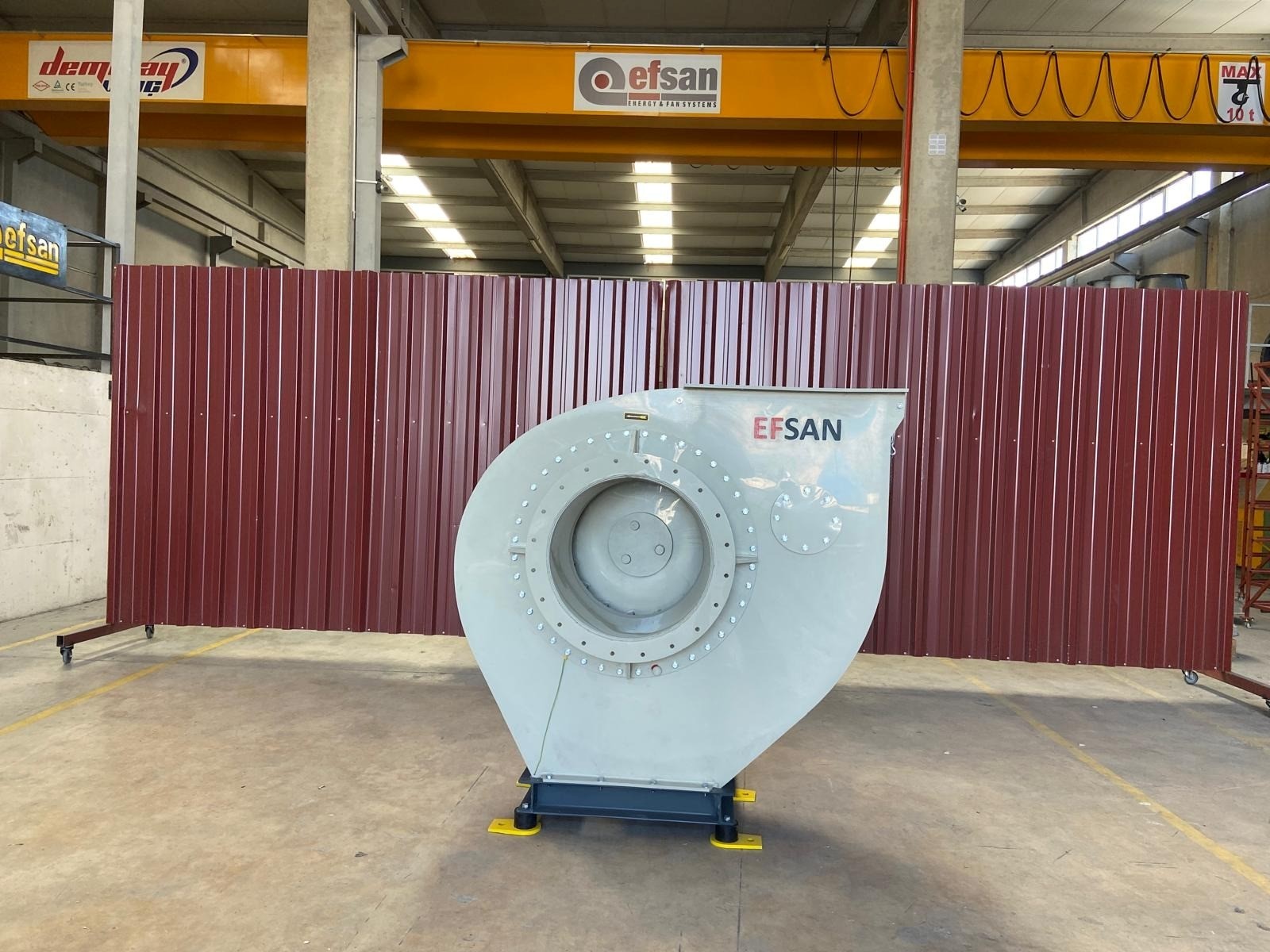
Legend provides efficient and uninterrupted operation of mechanical vapor compression (MVR) processes in many different sectors; It is a leading engineering company that produces industrial process fans and compressors resistant to acidic, corrosive and high temperature environments.
The clearest engineering fact we have seen in practice over the years is this: no matter how well designed the exchangers or evaporation chambers of an MVR process are, the actual efficiency of the system depends on the aerodynamic quality of the industrial process fan (blower/compressor) that absorbs and compresses steam.
MVR technology ensures energy efficiency and sustainable production in many different sectors. However, the metallurgy and sealing technology of a fan that compresses corrosive sulfuric acid vapor in the chemical industry and a fan that converts GMP-compliant hygienic vapor in the pharmaceutical industry cannot be the same. Efsan as a company, we dimension and produce process fans that provide the high speed, corrosion-resistant and optimum Delta-T values required by MVR evaporators with the lowest shaft power, completely specific to the fluid dynamics of your project.
Outcome and Expert Support
MVR application areas have become the lifeblood of modern industry, from food concentration to EU IED compliant wastewater ZLD systems. Reducing your plant’s primary energy costs by up to 80%’; while providing lasting savings on your operating expenses (OPEX), thanks to its modular and scalable system structure Efsan it also significantly reduces your investment costs (CAPEX). This secures not only your budget but also your corporate future against regulations such as borderline carbon regulations (CBAM).
In such a critical plant overhaul, the correct design of industrial fans, which is the heart of the system, does not admit of error. If you want to access accurate engineering data about MVR fan/compressor integration specific to your process, you can make a preliminary evaluation with our technical team.
Immediately to create a steam map of your business, recover your waste steam and detail our heavy-duty industrial fan solutions that best suit your MVR process Efsan contact the engineering team.
tags :
More about the sector and our business