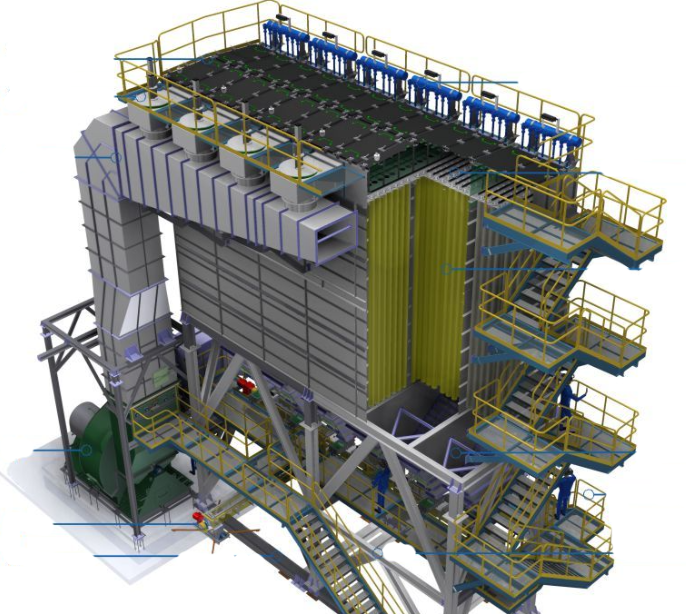
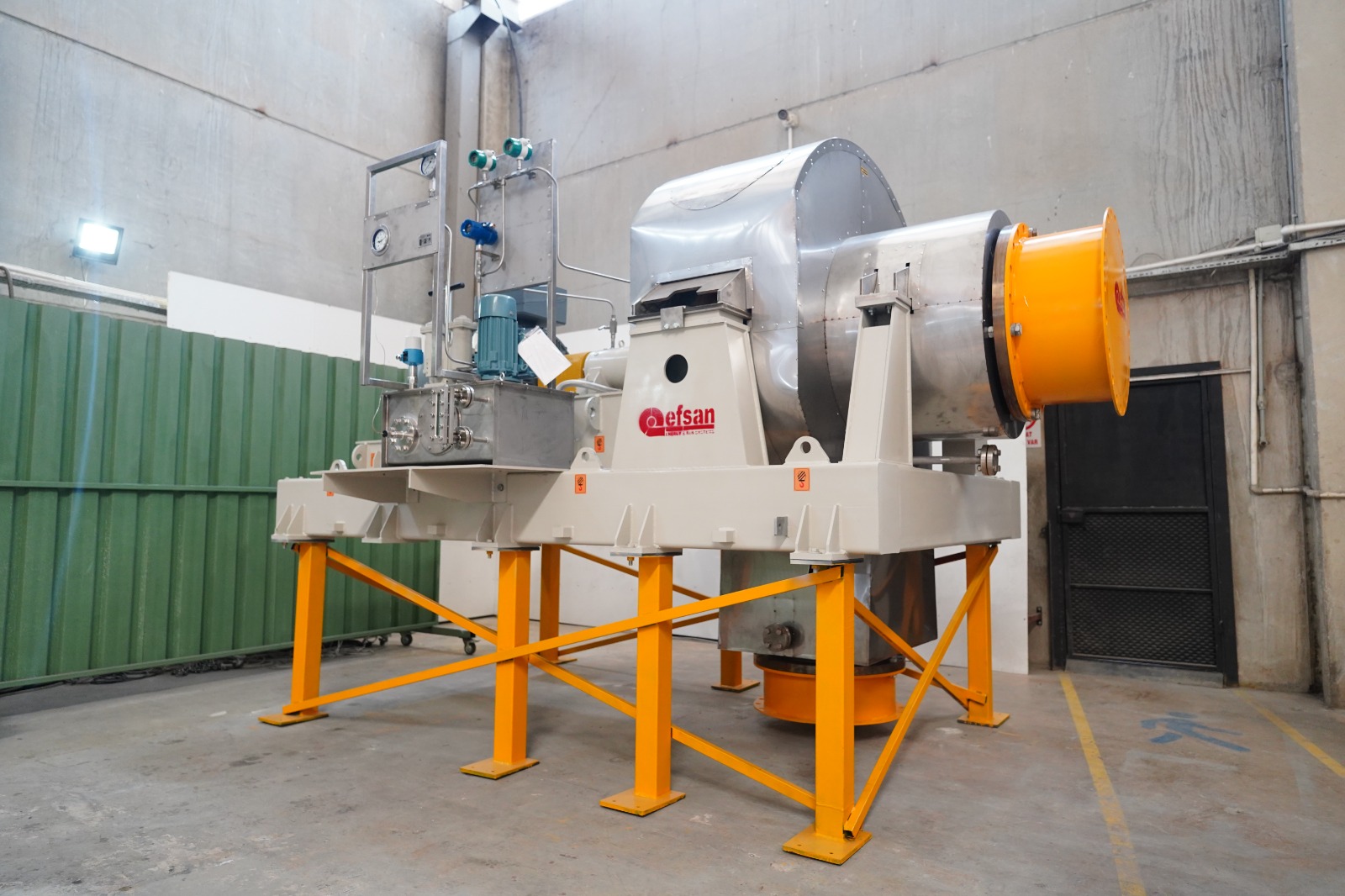
In industrial facilities, particularly in the oil, gas, petrochemical, and chemical sectors, the reliability of equipment is of vital importance. Centrifugal (radial) fans, which ensure the transfer of gas, air, and chemical vapors under these harsh operating conditions, must meet highly stringent engineering and safety criteria. This is exactly where the API 673 standards, developed by the American Petroleum Institute (API), come into play.
So, what is the globally recognized API 673, and why does it play such a critical role in industrial fan manufacturing?
What Does the API 673 Standard Cover?
API 673 (Centrifugal Fans for Petroleum, Chemical, and Gas Industry Services) is an international guideline that specifies the minimum design, manufacturing, materials, testing, and inspection requirements for centrifugal fans intended for critical duty in the petroleum, chemical, and gas industries.
This standard aims to ensure that fans can operate continuously, safely, and with high efficiency even under the most aggressive process conditions. The exhaust of explosive gases in refineries, the transfer of corrosive chemical vapors, or the need for high-pressure process air can only be safely managed with API 673 compliant fan systems.
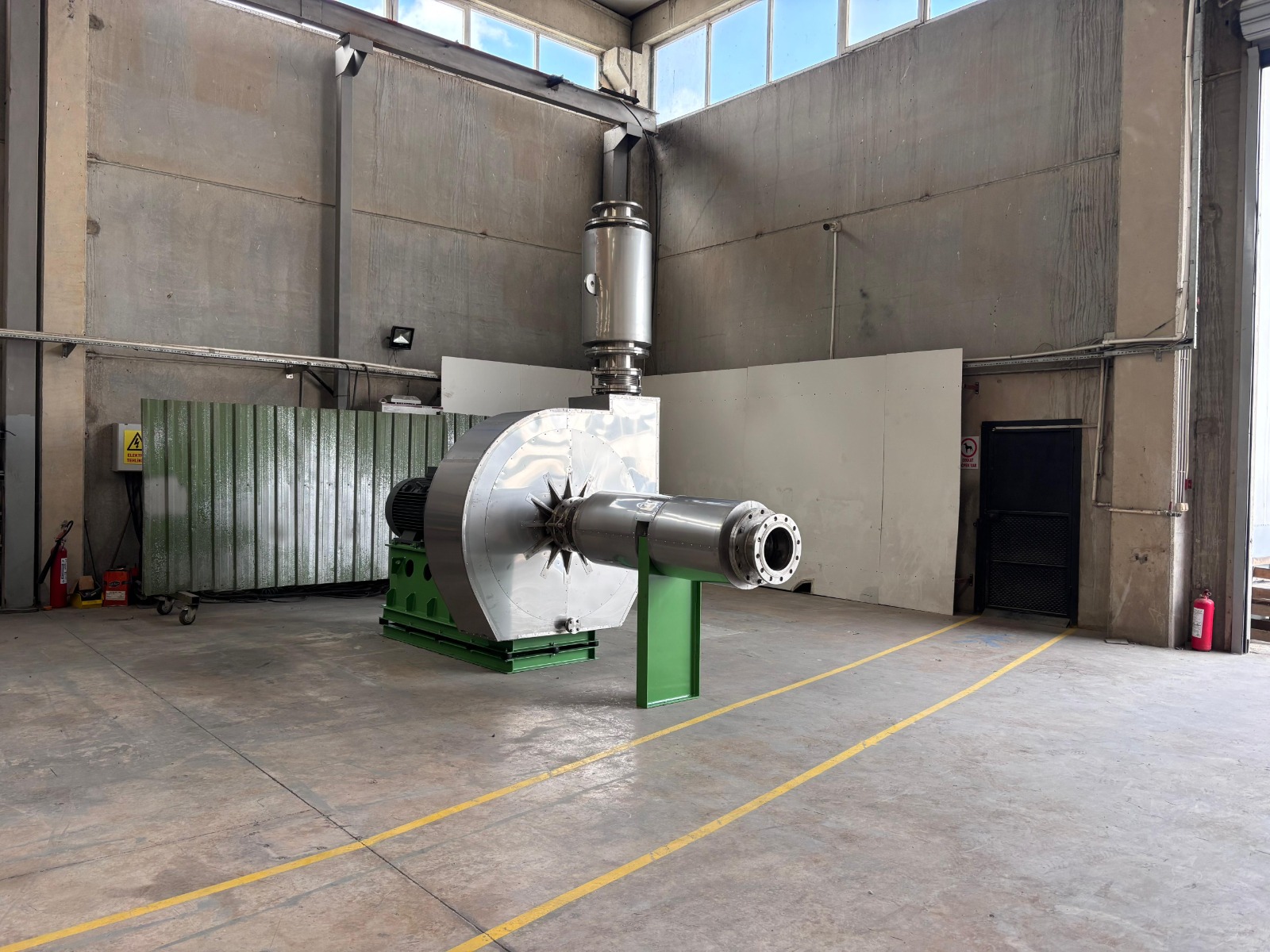
Key Features of API 673 Compliant Fans
There are significant engineering differences between standard industrial fans and heavy-duty fans manufactured in accordance with API 673 norms. This standard demands the following features from the fans:
Long Service Life: Equipment must be designed for continuous duty, with a minimum general design life of 20 years and at least 3 years of uninterrupted operation.
Strict Vibration and Balance Criteria: The vibration levels of systems operating at high speeds and pressures are kept within very narrow limits. The dynamic balance of the rotors must be adjusted with maximum precision.
Advanced Sealing: Specialized packing systems and advanced casing sealing are mandatory to prevent toxic, corrosive, or flammable gases from leaking into the atmosphere or the facility.
Durable Material Selection: Alloy steels, stainless steel sheets, or specially coated materials that offer full resistance to the chemical nature of the operating environment (acidic, basic, high temperature) are utilized.
Uninterrupted Performance in the Oil and Gas Industry with Efsan Makina
With 25 years of engineering experience and our vision of “Technology that Manages the Air,” Efsan Makina fully understands the demanding requirements of the oil, gas, and chemical industries and produces solutions that meet these standards.
Our ex-proof fans, high-pressure radial fans, and heavy process blower units, which we project specifically for the needs of enterprises, feature aerodynamic designs that maximize facility safety while minimizing energy costs. We support your facility to operate at international norms not only during the manufacturing stage but also with our engineering, design, testing, measurement, and commissioning services.
Why Should You Choose a Fan with International Standards?
In areas such as refineries and petrochemical plants, the cost of unplanned downtime can reach millions of dollars. Accidents caused by equipment fatigue, corrosion, or sealing problems lead to irreversible occupational safety violations. Centrifugal fans manufactured with reference to global quality standards like API 673 offer high reliability and a long lifespan to your business, amortizing the investment cost in a short time.
If you need a new fan system for your petroleum, chemical, or power plant processes, or if you want to optimize your existing system, you can contact the expert Efsan engineering team to get the most suitable and safe industrial fan solution for your business.
tags :
More about the sector and our business